
Bristol Stories
The Nails of Corn Street and “pay on the nail”
Four bronze tables outside the Exchange on Corn Street are where Bristol merchants once settled deals. Did they give us the phrase “pay on the nail”?
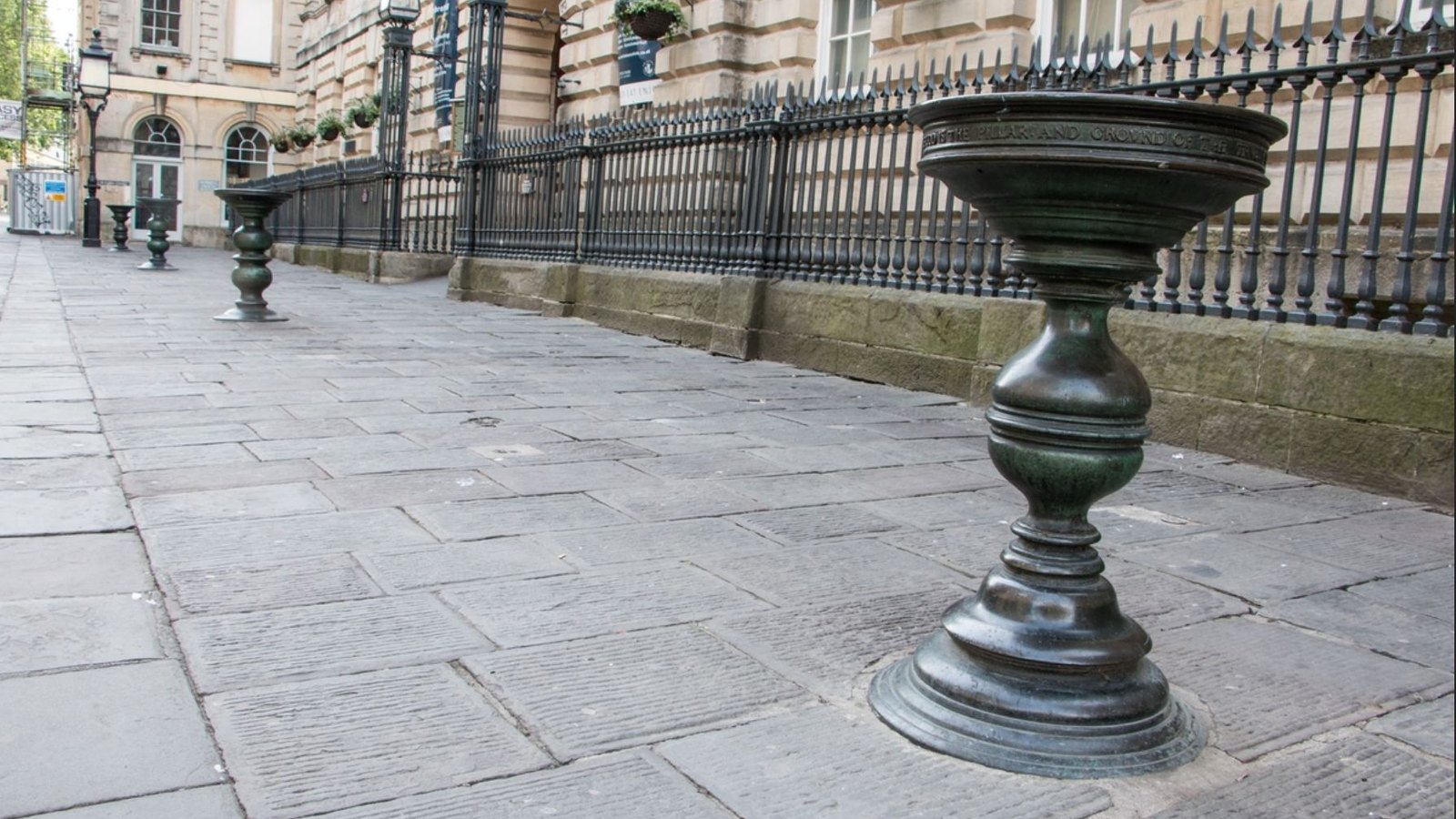
Outside the grand front of the Exchange on Corn Street stand four squat bronze pillars, each topped with a flat round plate. Most people walk straight past them on the way into St Nicholas Market. They are the Nails, and they are some of the oldest things on the street.
Tables for merchants
The Nails were made as tables for doing business. Merchants would put down their money and goods on the flat tops and settle a deal there and then, in public. The raised rims around the edges stopped coins rolling off onto the pavement.
The oldest of the four has no date, but experts say it is late Elizabethan. The second oldest was given by a Bristol merchant, Robert Kitchin, who died in 1594. The other two are dated 1625 and 1631. One carries the name of John Barker, who was mayor of Bristol under Charles I.
They have moved
The Nails did not start on Corn Street. They stood in the Tolzey, a covered walkway along the side of All Saints’ Church, where merchants met to trade. There were once more of them. When the Tolzey was taken down in the 18th century, four of the Nails were moved to where they stand today, in front of the Exchange.
The Exchange
The building behind them is worth a look too. The Exchange was built between 1741 and 1743 by the architect John Wood the Elder, who also shaped much of Georgian Bath. It was built as a place for merchants of every kind to trade, and it is now Grade I listed. Today it is home to St Nicholas Market.
Look up at the clock on the front. It has two minute hands, one for Bristol time and one for London time. Before the railways brought standard time, Bristol ran about ten minutes behind London.
Did they give us “pay on the nail”?
This is the famous part. To pay on the nail means to pay at once, in full, and Bristol has long claimed the Nails as the origin of the phrase. The story goes that a deal was done when the money was laid “on the nail”.
It is a good story, but it may not be true. Language historians say the phrase is also recorded elsewhere and its origin is uncertain. Some say the phrase is older than Bristol’s Nails, so the Nails may have been named after the saying rather than the other way round.
So the honest answer is: maybe. The Nails are certainly where Bristol merchants paid on the nail. Whether they gave the phrase to the English language is still open to debate.
How to see them
The Nails are on the pavement outside the Exchange on Corn Street, by the entrance to St Nicholas Market. They are outdoors and free to see at any time. Put a hand on one, and you are touching a table where Bristol merchants did business more than 400 years ago.
Map
Sources
Last checked 11 November 2026. Details change, so check the official link before you go.
More from Bristol Stories
See all →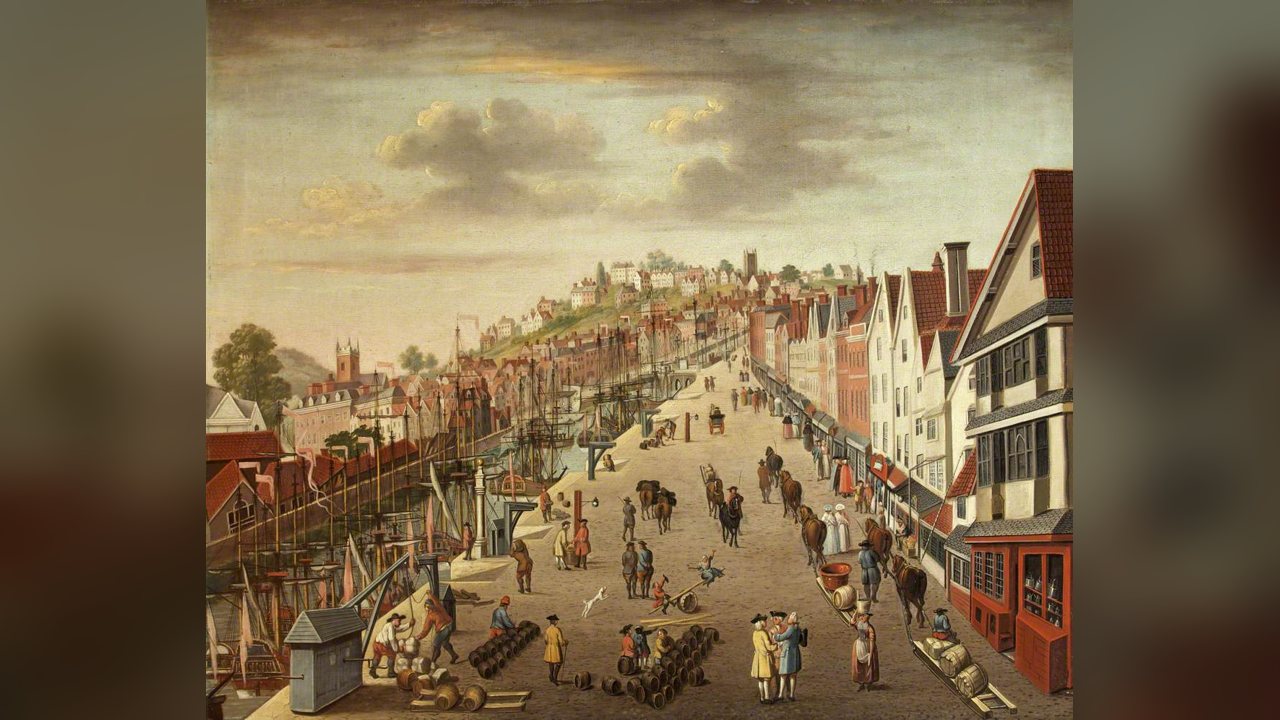 Where “shipshape and Bristol fashion” comes from
When the tide went out, ships in old Bristol sat on the mud. Only well-built, well-packed ships came through, and that is how “shipshape and Bristol fashion” came to mean in perfect order.
 The Bristol man behind the Plimsoll line
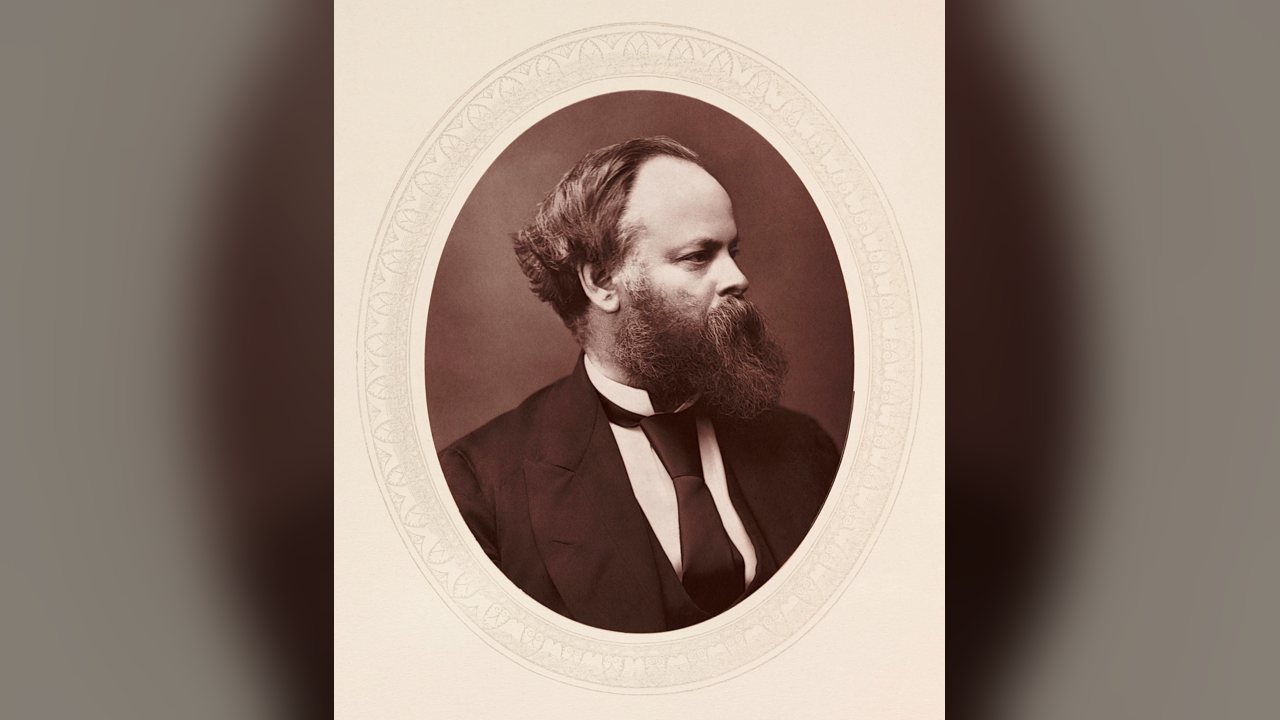
Samuel Plimsoll was born in Bristol in 1824. He fought for a load line on ships’ hulls to stop overloaded “coffin ships” sinking, and it is still called the Plimsoll line.
 How Bristol’s harbour stopped the tide
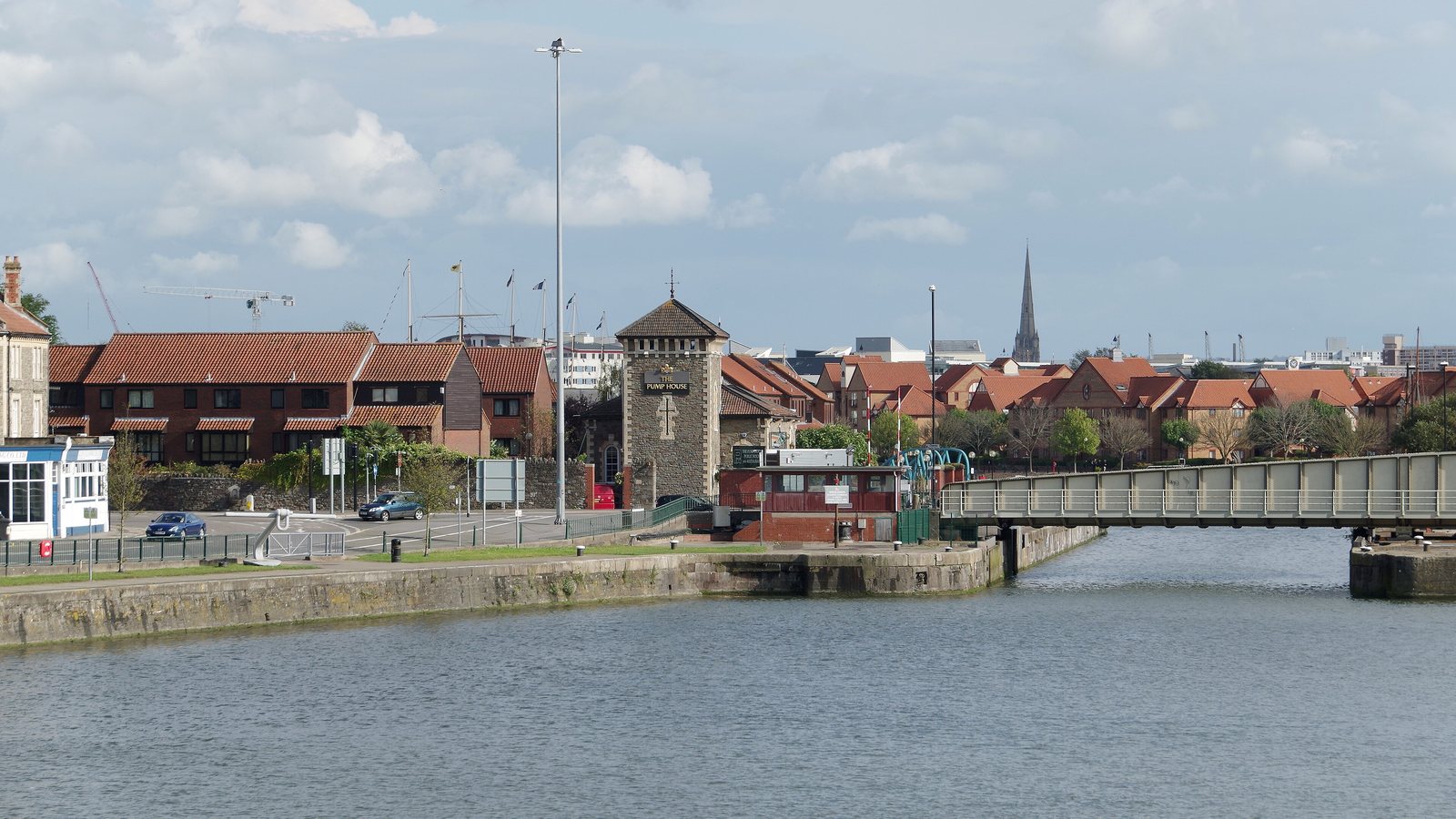
Before 1809, ships in the centre of Bristol sat on the mud twice a day. William Jessop’s Floating Harbour changed that, and it still holds the water today.