
Bristol Stories
Where “shipshape and Bristol fashion” comes from
When the tide went out, ships in old Bristol sat on the mud. Only well-built, well-packed ships came through, and that is how “shipshape and Bristol fashion” came to mean in perfect order.
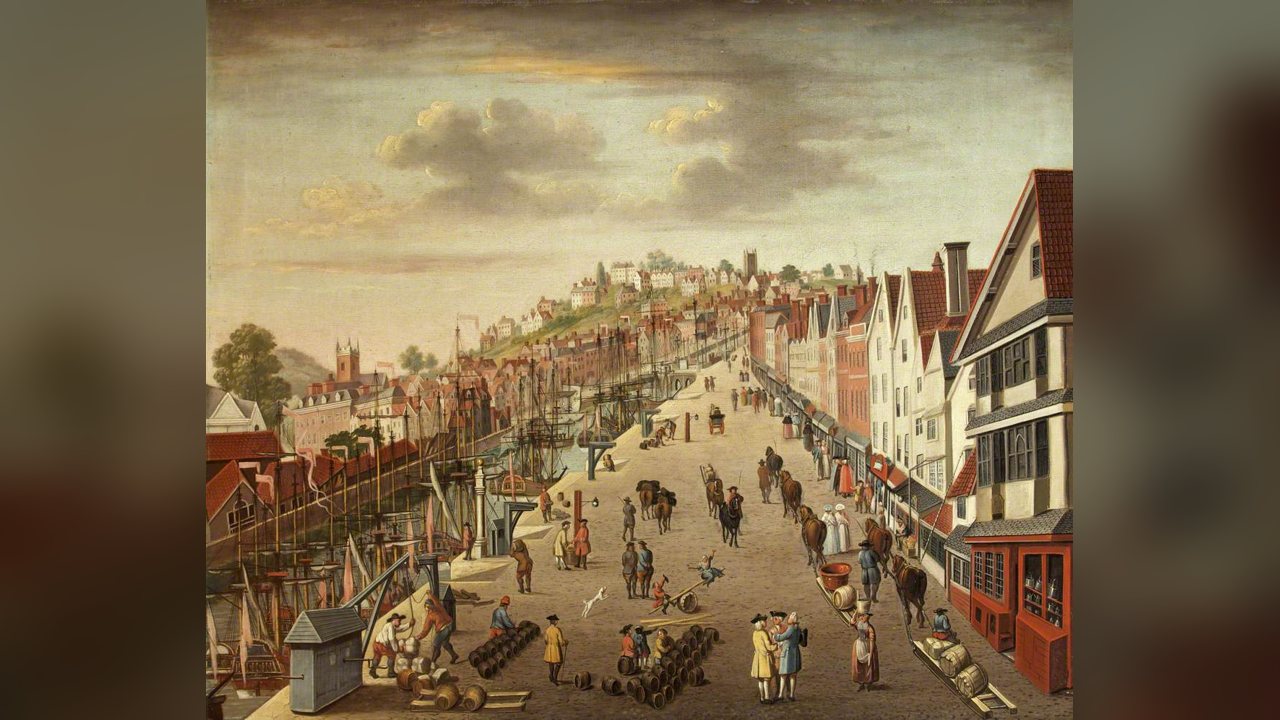
If something is “shipshape and Bristol fashion”, it is in perfect order: neat, tidy and properly done. The phrase comes from Bristol’s harbour, and from one of the biggest tides in the world.
A huge tide
Bristol grew up as a port on the River Avon, which flows into the Severn Estuary. The Severn has a very high tidal range, around 50 feet. In Bristol, the river rose and fell by around 47 feet between high and low water.
At high tide, ships could sail right up the Avon into the city centre. But when the tide went out, the river shrank to a narrow, muddy channel.
Stuck on the mud
Ships moored in old Bristol had no choice. Twice a day, as the water drained away, they settled onto the mud and sat there until the tide returned. Many were loaded and unloaded while they were stranded.
That put a huge strain on a ship. As it settled, the hull had to take its own weight on the uneven riverbed. Any weakness in the timbers could split, and cargo that was badly stowed could shift, break or crush things below.
Only the best survived
Only strong, well-built ships, with their cargo packed tightly and securely, came through it again and again without damage. A ship that was ready for Bristol had to be in perfect order.
So sailors began to describe a ship that was properly made and properly loaded as “shipshape and Bristol fashion”. Over time the phrase spread beyond the sea, and today it simply means that everything is in perfect order.
The tide that was tamed
The problem was solved in 1809, when the engineer William Jessop’s Floating Harbour opened. The river was diverted through a new channel, and the water in the city was held at a constant level, so ships no longer sat on the mud. Read our story of the Floating Harbour.
See the tide today
You can still see how dramatic the tide is. Stand on a bridge over the New Cut or look down into the Avon Gorge at low tide, and you will see the steep, shining mud banks that ships once had to sit on. Then come back at high tide and compare.
Sources
Last checked 25 November 2026. Details change, so check the official link before you go.
More from Bristol Stories
See all →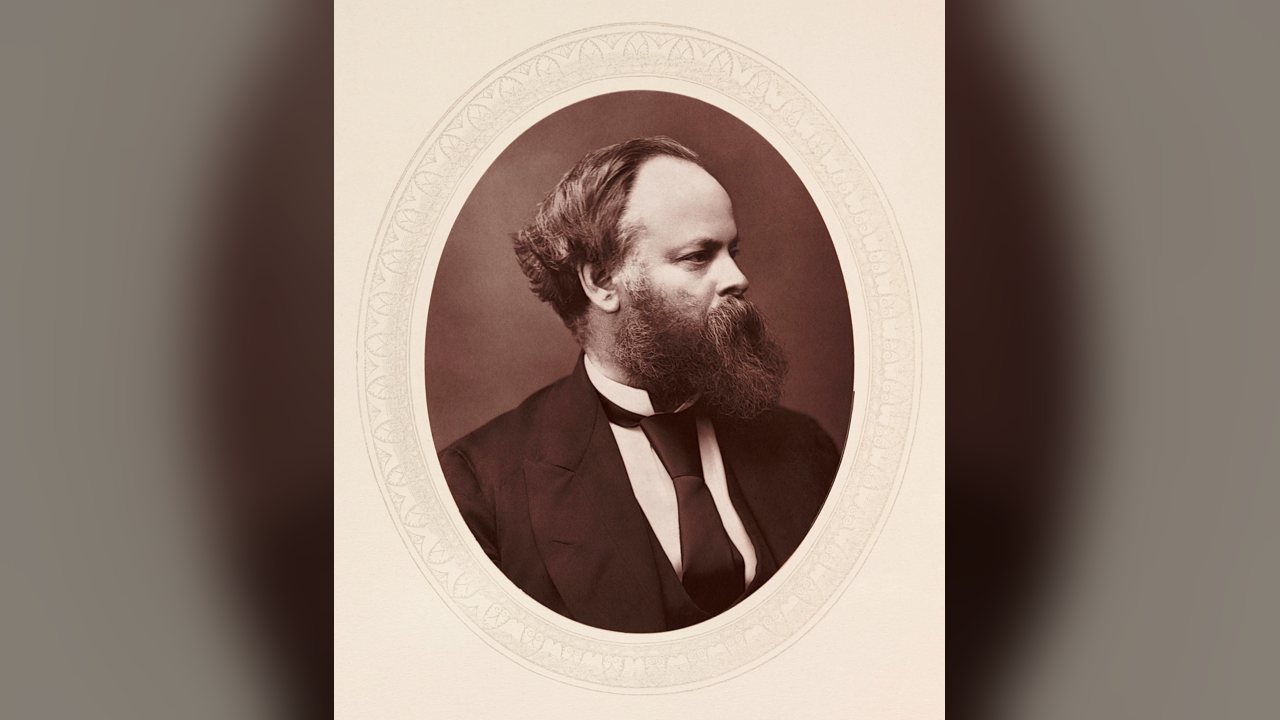 The Bristol man behind the Plimsoll line
Samuel Plimsoll was born in Bristol in 1824. He fought for a load line on ships’ hulls to stop overloaded “coffin ships” sinking, and it is still called the Plimsoll line.
 How Bristol’s harbour stopped the tide
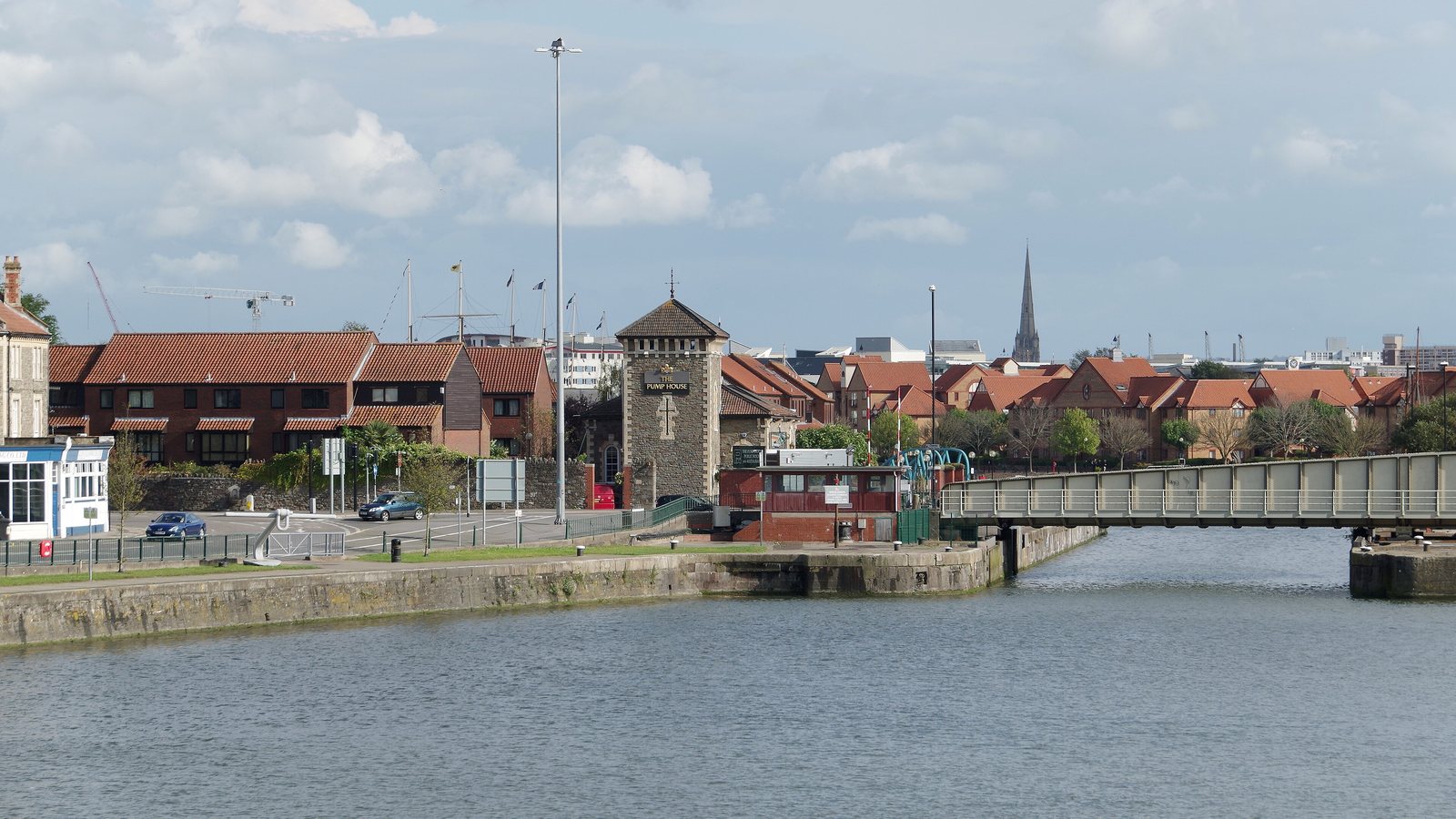
Before 1809, ships in the centre of Bristol sat on the mud twice a day. William Jessop’s Floating Harbour changed that, and it still holds the water today.
 The railway hidden inside a cliff
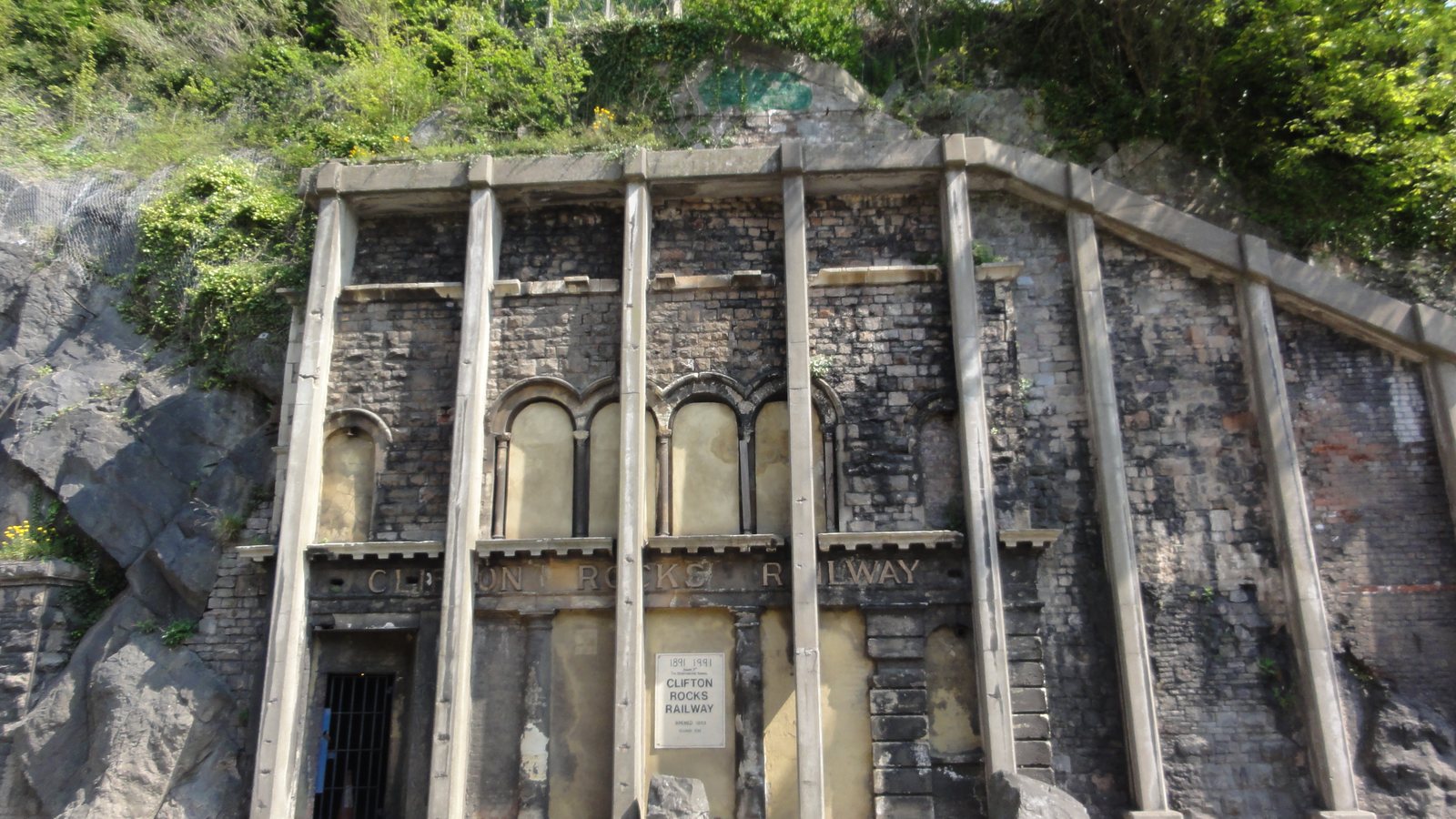
The Clifton Rocks Railway carried passengers through the rock from Hotwells to Clifton from 1893 to 1934. In the Second World War the BBC broadcast from inside it.