
Bristol Stories
Bristol has a railway hidden inside a cliff
The Clifton Rocks Railway carried passengers through the rock from Hotwells to Clifton from 1893 to 1934. In the Second World War the BBC broadcast from inside it.
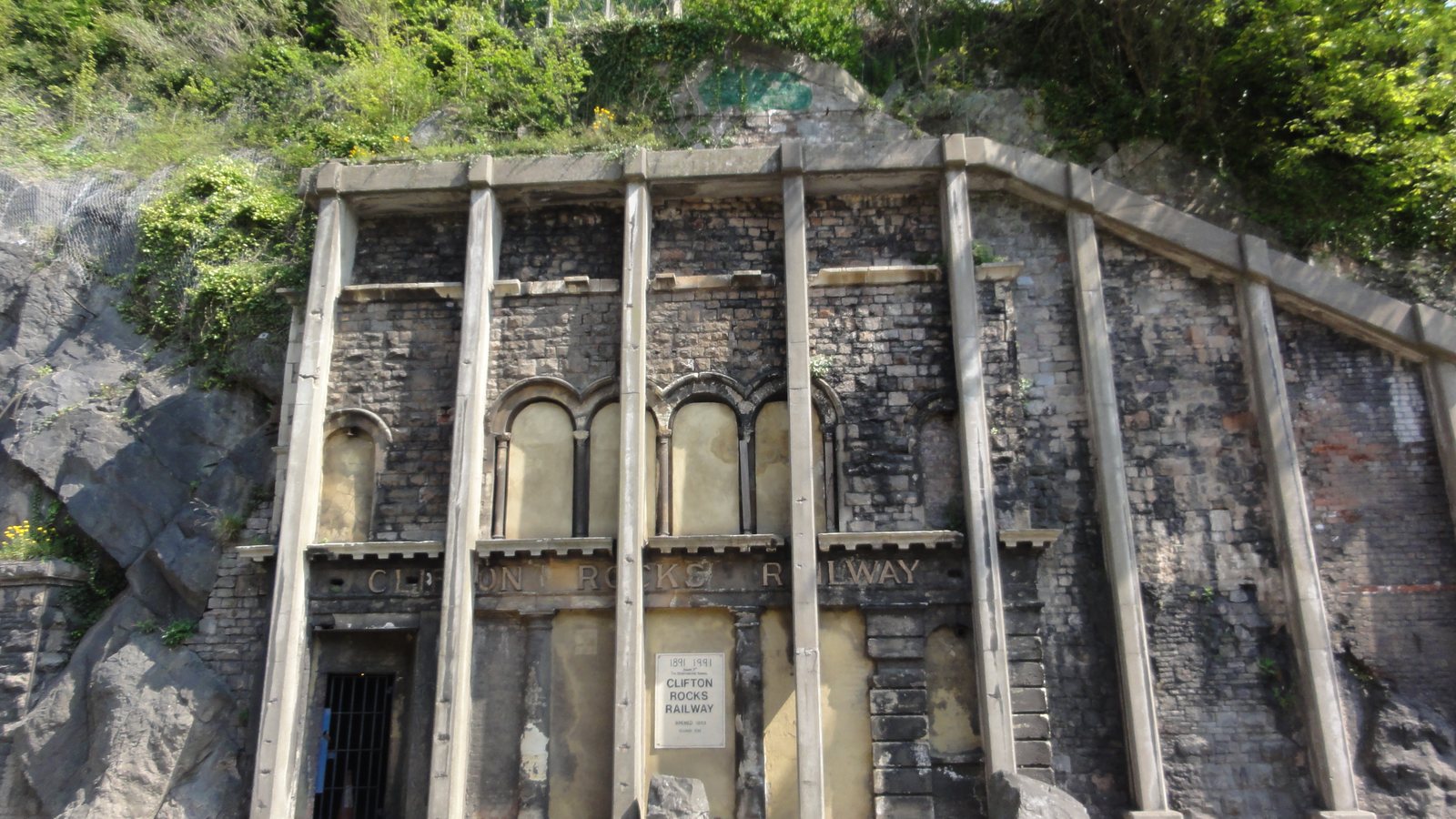
Walk along the Portway beneath the Clifton Suspension Bridge and you might notice a row of grand stone arches built into the cliff. Behind them is one of Bristol’s strangest secrets: a railway hidden inside the rock.
A railway through the cliff
The Clifton Rocks Railway was an underground funicular, a cliff railway, linking Hotwells and the harbour at the bottom of the Avon Gorge to Clifton at the top.
It was paid for by the publisher George Newnes, who also owned the Lynton and Lynmouth Cliff Railway in Devon, and built by the engineer George Croydon Marks. Work began in March 1891. A tunnel 28 feet wide was bored through the limestone with machine drills and hand drills, then lined with brick. It took two years and cost £30,000, three times the original estimate.
Powered by water
The railway was 450 feet long and climbed 200 feet, at a gradient of about 1 in 2.2. There were four cars running in two pairs, and the journey took just 40 seconds.
It ran on water and gravity. At the top, water was fed into a tank under the waiting car. The extra weight was enough to pull a loaded car up from the bottom. At the bottom, the water was let out and pumped back up to start again.
Busy, then bust
The railway opened on 11 March 1893. It carried 6,220 passengers on its first day, and more than 427,000 in its first year.
After that, numbers fell steadily. The company went bankrupt in 1908, and in 1912 it was sold to Bristol Tramways for just £1,500. In the 1920s the road at the bottom was rebuilt as the fast Portway, which took away the trams and trains that had brought passengers to the lower station. The last train ran on 29 September 1934.
A secret wartime role
The tunnel’s story was not over. During the Second World War, blast walls were built inside. Part was used as offices by the airline BOAC, and part as an air-raid shelter for local people.
The BBC also moved in, using the tunnel as a relay station and building seven emergency studios, as a backup in case London was bombed. The BBC kept using parts of the tunnel until 1960.
Can you go inside?
For years, volunteers from the Clifton Rocks Railway Trust worked to protect the tunnel and opened it to the public on a handful of days a year, including Bristol Doors Open Day. The trains themselves will never run again, because the wartime structures sit on top of the tracks.
The railway was sold in 2019, and it is now run alongside Clifton Observatory. The owners say it will open as a museum, but for now you can get in touch to arrange a guided tour through the railway’s website.
See it from outside
You can see both ends for free. The lower entrance is on the Portway in Hotwells, beneath the Suspension Bridge. The upper station is in Clifton, next to the Avon Gorge Hotel. Combine it with a walk over the bridge for one of Bristol’s best afternoons out.
Map
Sources
Last checked 18 November 2026. Details change, so check the official link before you go.
More from Bristol Stories
See all →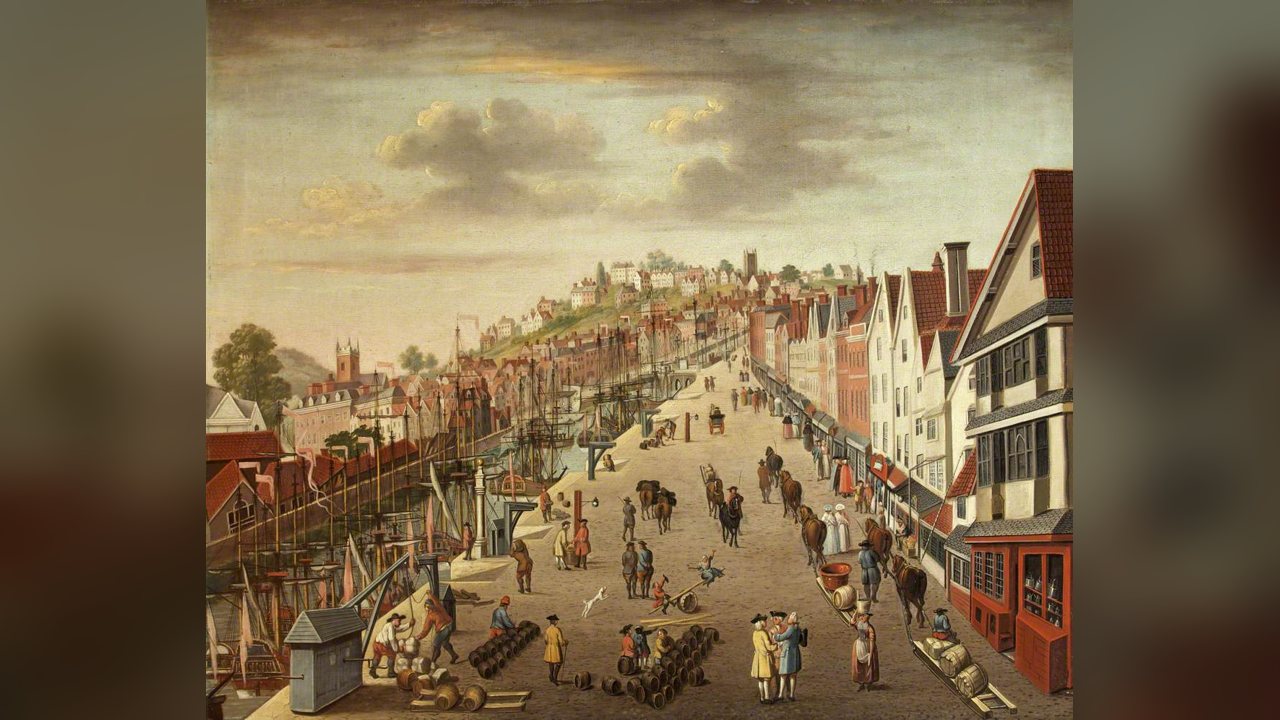 Where “shipshape and Bristol fashion” comes from
When the tide went out, ships in old Bristol sat on the mud. Only well-built, well-packed ships came through, and that is how “shipshape and Bristol fashion” came to mean in perfect order.
 The Bristol man behind the Plimsoll line
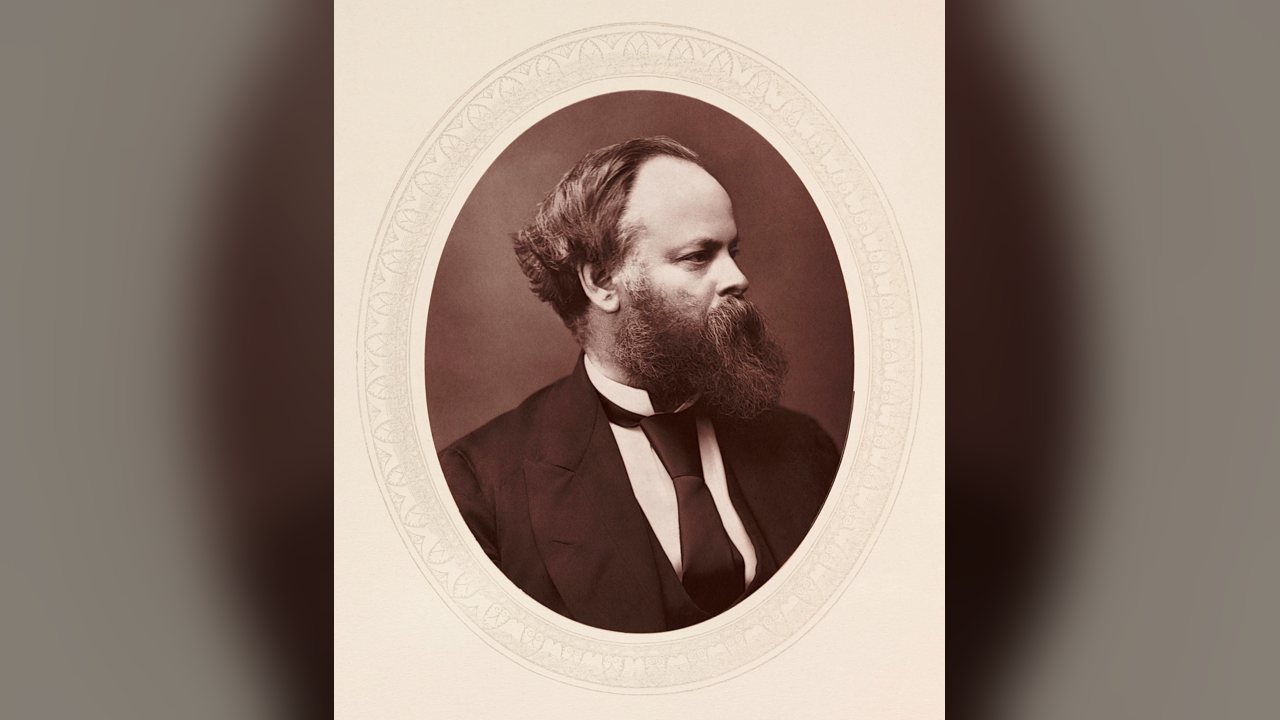
Samuel Plimsoll was born in Bristol in 1824. He fought for a load line on ships’ hulls to stop overloaded “coffin ships” sinking, and it is still called the Plimsoll line.
 How Bristol’s harbour stopped the tide
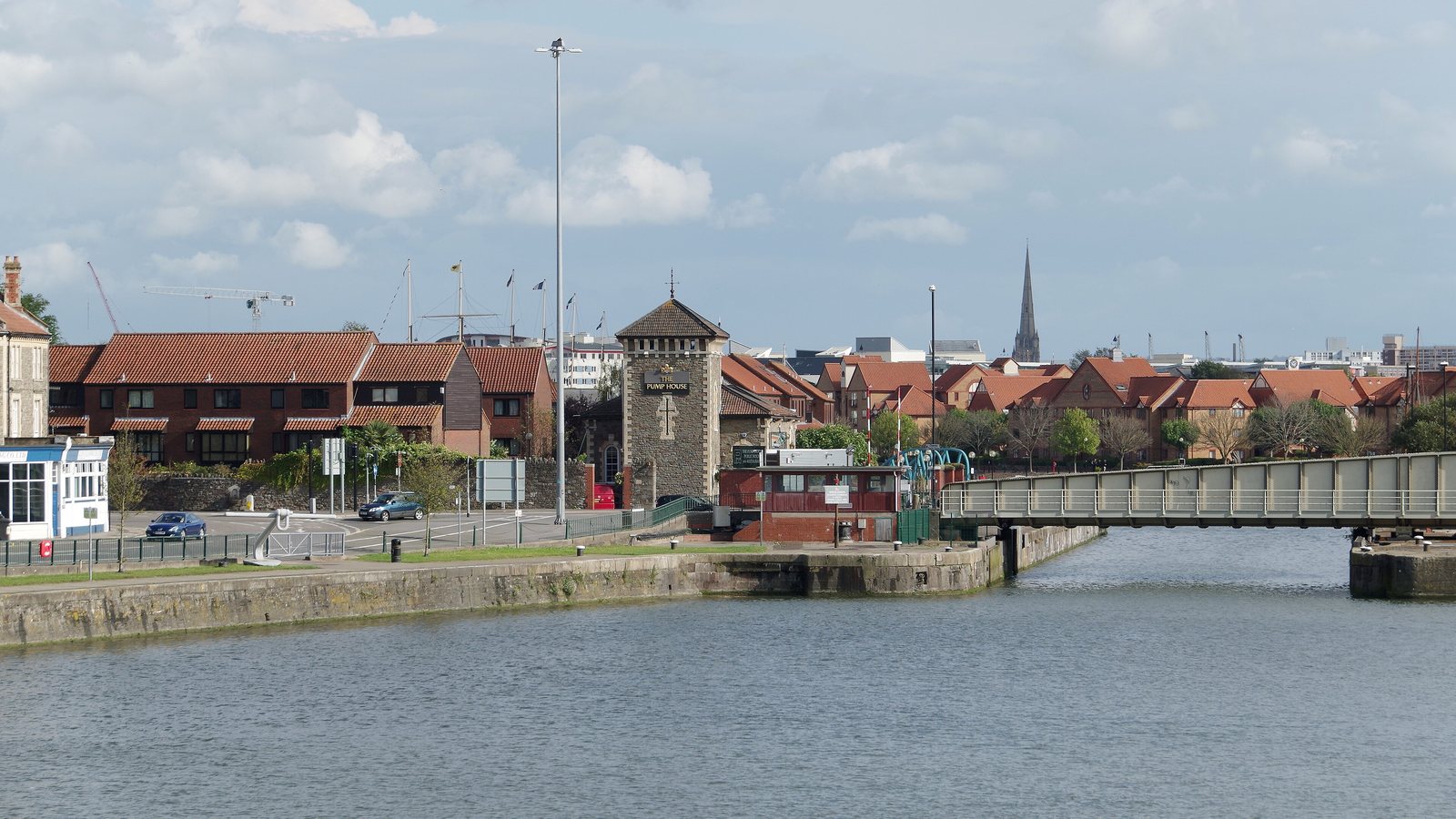
Before 1809, ships in the centre of Bristol sat on the mud twice a day. William Jessop’s Floating Harbour changed that, and it still holds the water today.