
Bristol Stories
The Bristol man whose line saved thousands of sailors
Samuel Plimsoll was born in Bristol in 1824. He fought for a load line on ships’ hulls to stop overloaded “coffin ships” sinking, and it is still called the Plimsoll line.
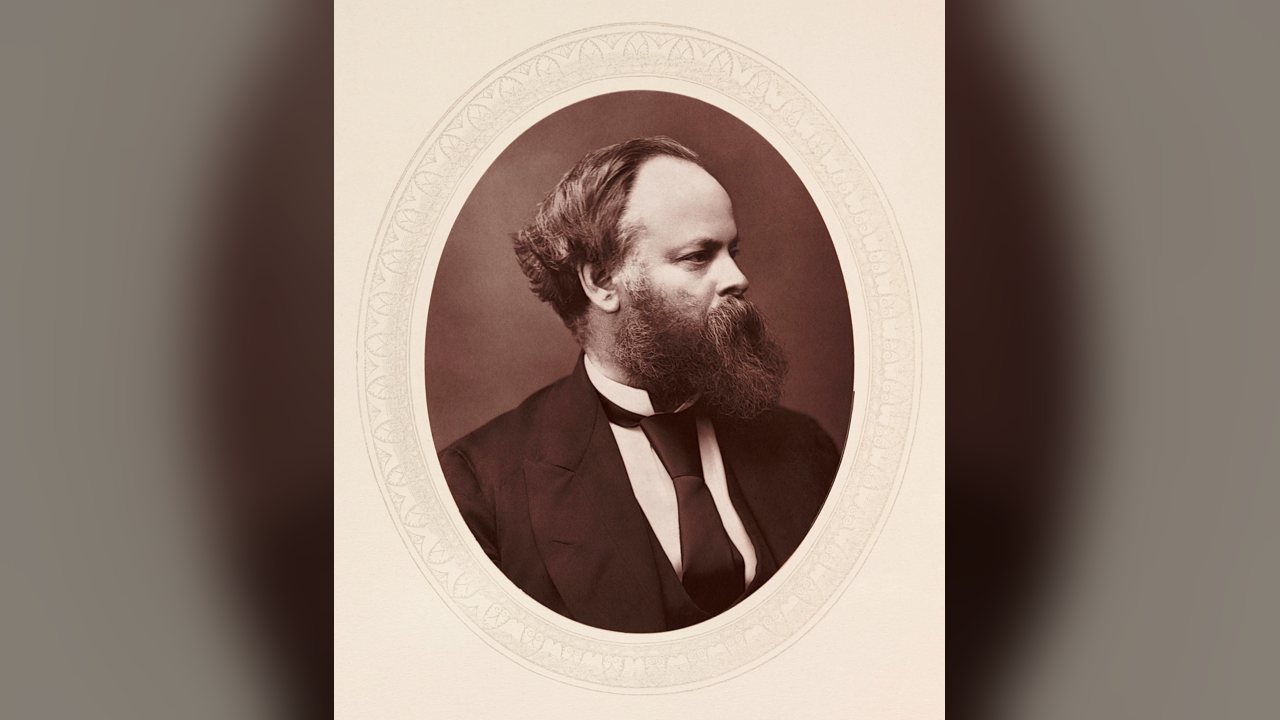
Look at the side of almost any big ship and you will see a circle with a line through it. It is the Plimsoll line, and it is named after a man born in Bristol.
A Bristol beginning
Samuel Plimsoll was born in Bristol on 10 February 1824. His father was a civil servant, and the family moved away when Samuel was young, first to Penrith in 1829 and then to Sheffield in 1839. He left school early and worked as a clerk before going into business.
The “coffin ships”
In Victorian Britain, some ship owners sent out vessels that were overloaded and unseaworthy. Many were heavily insured, so if they sank, the owners still made money. Sailors called them coffin ships, and many crews died in them.
Plimsoll was horrified. He decided to devote himself to stopping it.
The fight in Parliament
In 1868 Plimsoll was elected Liberal MP for Derby. He tried to pass a law requiring a safe load line on ships, a mark showing how low a ship could sit in the water before it was dangerously overloaded. But Parliament had many powerful ship-owning MPs, and his bills failed.
So he went to the public. In 1873 he published a book, Our Seamen, about the dangers of coffin ships. It became well known across the country.
Victory in 1876
Public feeling forced the government to act. A bill was passed in 1876 and became part of the Merchant Shipping Act, which gave strong new powers to inspect ships. The load line mark was introduced that year.
Later laws tightened the rules, and in 1906 foreign ships visiting British ports had to carry one too. In 1930, countries agreed to an international Load Line Convention.
The Plimsoll line today
The mark is still used around the world. Ships carry a load line showing the safe limit for different waters and seasons, so that no ship should ever leave port overloaded. Its introduction led to fewer ships sinking and much safer conditions for sailors.
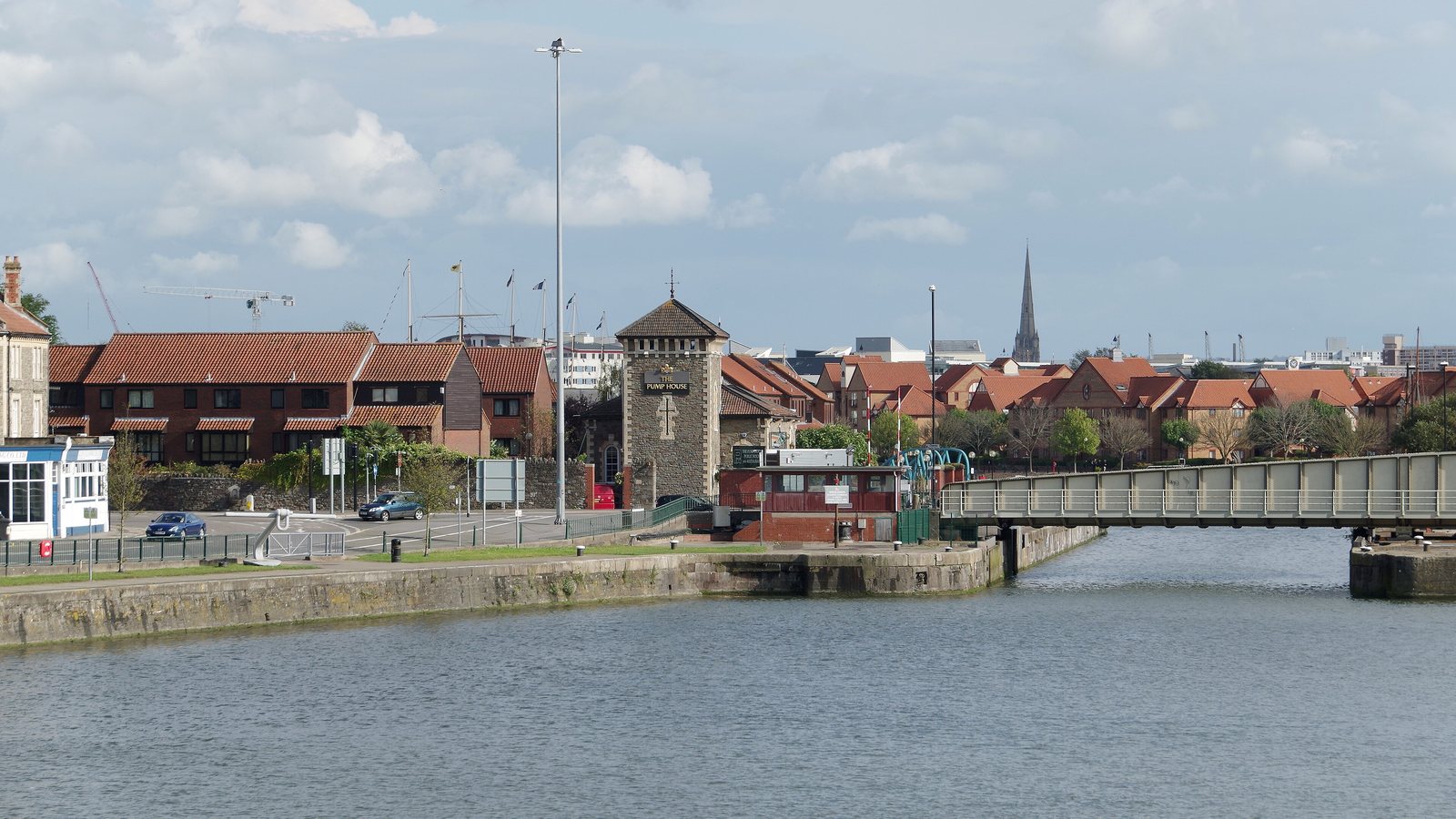
Plimsoll died in Folkestone on 3 June 1898. In Bristol, the Plimsoll Bridge at Cumberland Basin, by the entrance to the harbour, carries his name.
Sources
Last checked 25 November 2026. Details change, so check the official link before you go.
More from Bristol Stories
See all →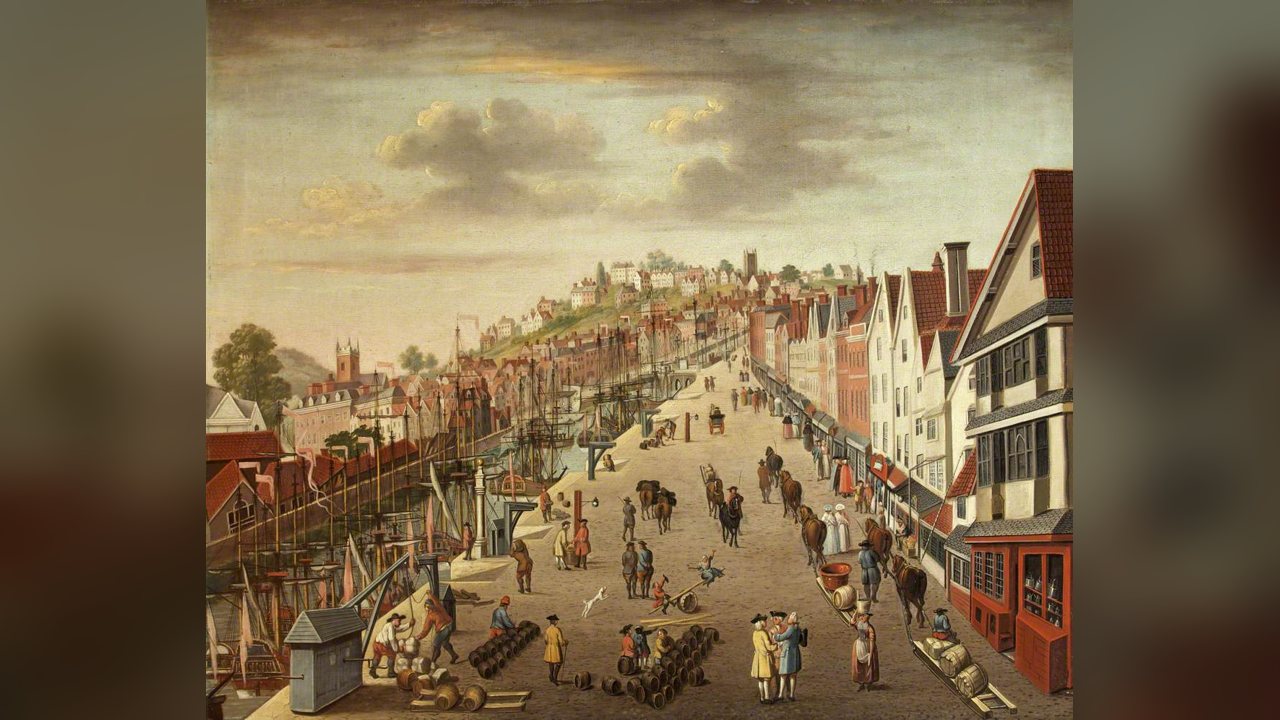 Where “shipshape and Bristol fashion” comes from
When the tide went out, ships in old Bristol sat on the mud. Only well-built, well-packed ships came through, and that is how “shipshape and Bristol fashion” came to mean in perfect order.
 How Bristol’s harbour stopped the tide
Before 1809, ships in the centre of Bristol sat on the mud twice a day. William Jessop’s Floating Harbour changed that, and it still holds the water today.
 The railway hidden inside a cliff
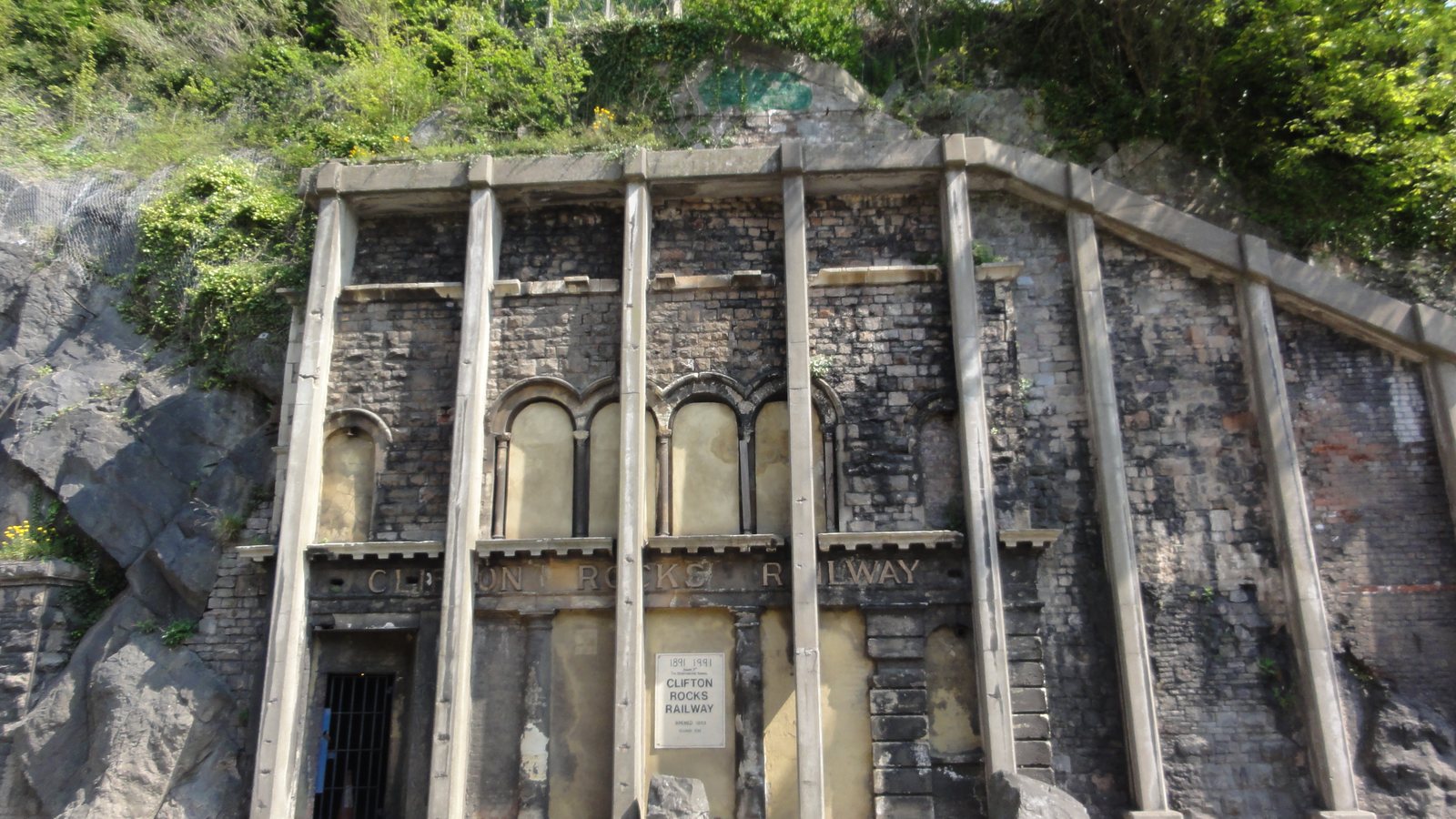
The Clifton Rocks Railway carried passengers through the rock from Hotwells to Clifton from 1893 to 1934. In the Second World War the BBC broadcast from inside it.