
Bristol Stories
The Bristol boy who predicted antimatter
Paul Dirac was born in Bristol in 1902, studied engineering at the University of Bristol and went on to share the 1933 Nobel Prize in Physics.
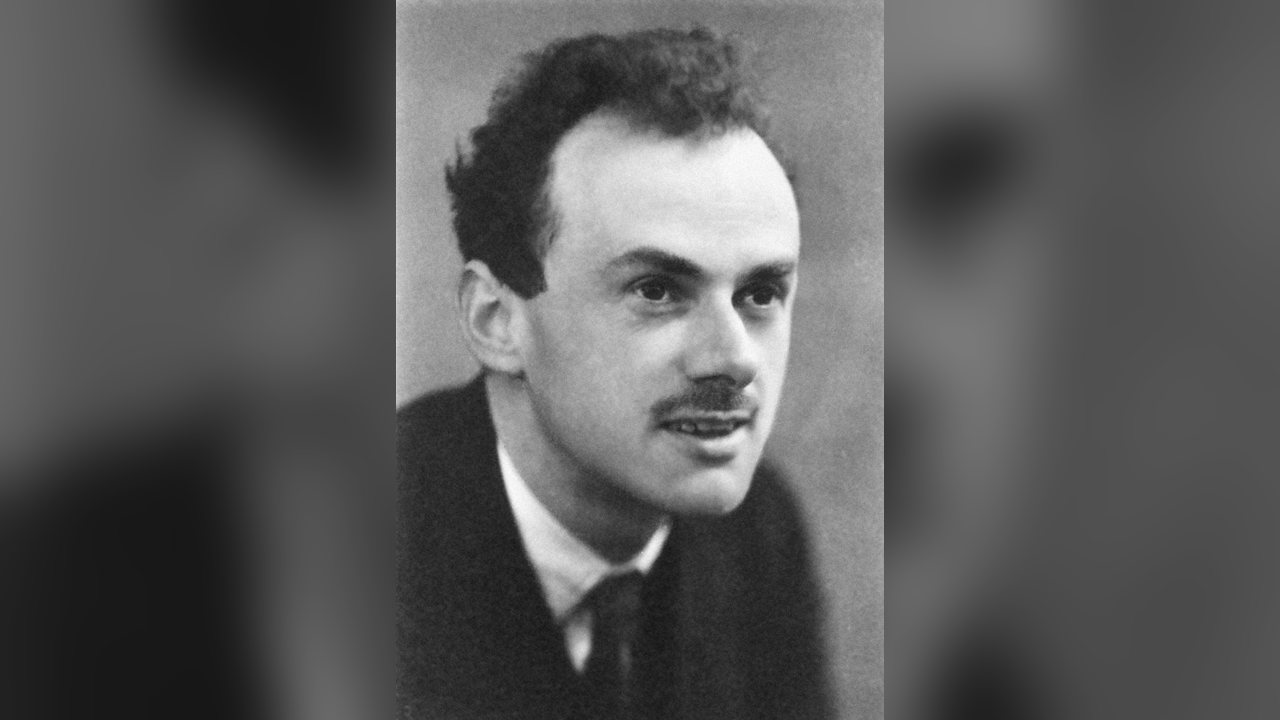
One of the greatest scientists of the 20th century grew up on the streets of north Bristol. Paul Adrien Maurice Dirac was born on 8 August 1902, at his parents’ home in Bristol, and he grew up in Bishopston.
A Bristol family
His father, Charles Dirac, came from Saint-Maurice in Switzerland and taught French in Bristol. His mother, Florence Holten, came from a Cornish family and worked as a librarian at Bristol Central Library.
Paul went to Bishop Road Primary School in Bishopston. One of the other pupils there was a boy called Archie Leach, who grew up to be Cary Grant. Paul then went to the Merchant Venturers’ Technical College, where his father taught French.
An engineer first
Dirac did not set out to be a physicist. On a City of Bristol scholarship, he studied electrical engineering at the University of Bristol, and graduated with first-class honours in 1921.
After the First World War, jobs were hard to find, and he could not get work as an engineer. So he stayed at Bristol and studied mathematics, graduating with first-class honours again in 1923.
From there he went to St John’s College, Cambridge. His PhD, finished in 1926, was the first thesis on quantum mechanics submitted anywhere.
Predicting antimatter
In 1928, Dirac wrote down the Dirac equation. It brought together quantum mechanics and Einstein’s special relativity to describe the electron.
The equation also predicted something nobody had seen: antimatter. It suggested there should be a particle just like the electron but with the opposite charge. In 1932 the American physicist Carl Anderson found it and called it the positron.
In 1933, Dirac shared the Nobel Prize in Physics with Erwin Schrödinger, “for the discovery of new productive forms of atomic theory”. He was 31.
A man of very few words
Dirac became Lucasian Professor of Mathematics at Cambridge, the post once held by Isaac Newton, from 1932 to 1969. He later moved to Florida State University.
He was famously quiet. His Cambridge colleagues joked about a unit of speech called the “dirac”, which was one word per hour.
He died in Tallahassee, Florida, on 20 October 1984, aged 82. In 1995 a memorial stone inscribed with his equation was unveiled in Westminster Abbey.
Dirac in Bristol today
Bristol remembers him. His childhood home in Bishopston has a blue plaque, and nearby Dirac Road is named after him.
The house is a private home, so admire it from the street. You could pair it with a walk past Bishop Road Primary School, where two very different Bristol legends once went to school.
Sources
Last checked 12 November 2026. Details change, so check the official link before you go.
More from Bristol Stories
See all →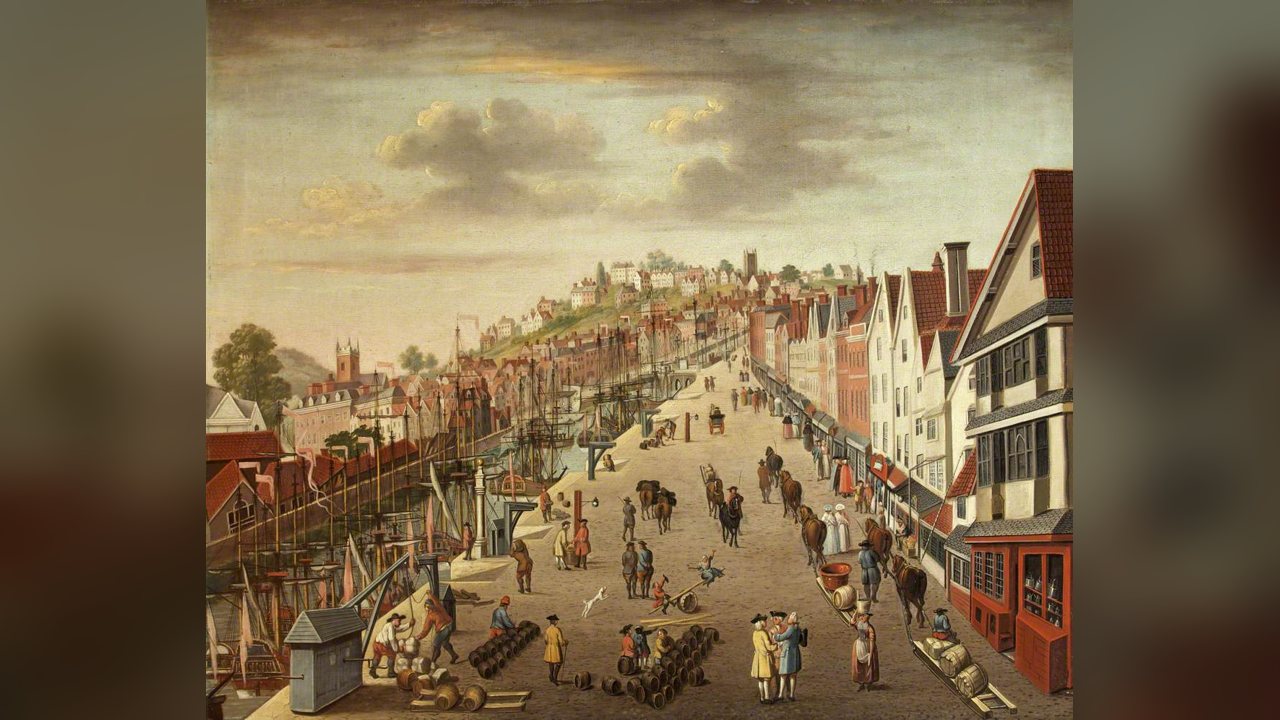 Where “shipshape and Bristol fashion” comes from
When the tide went out, ships in old Bristol sat on the mud. Only well-built, well-packed ships came through, and that is how “shipshape and Bristol fashion” came to mean in perfect order.
 The Bristol man behind the Plimsoll line
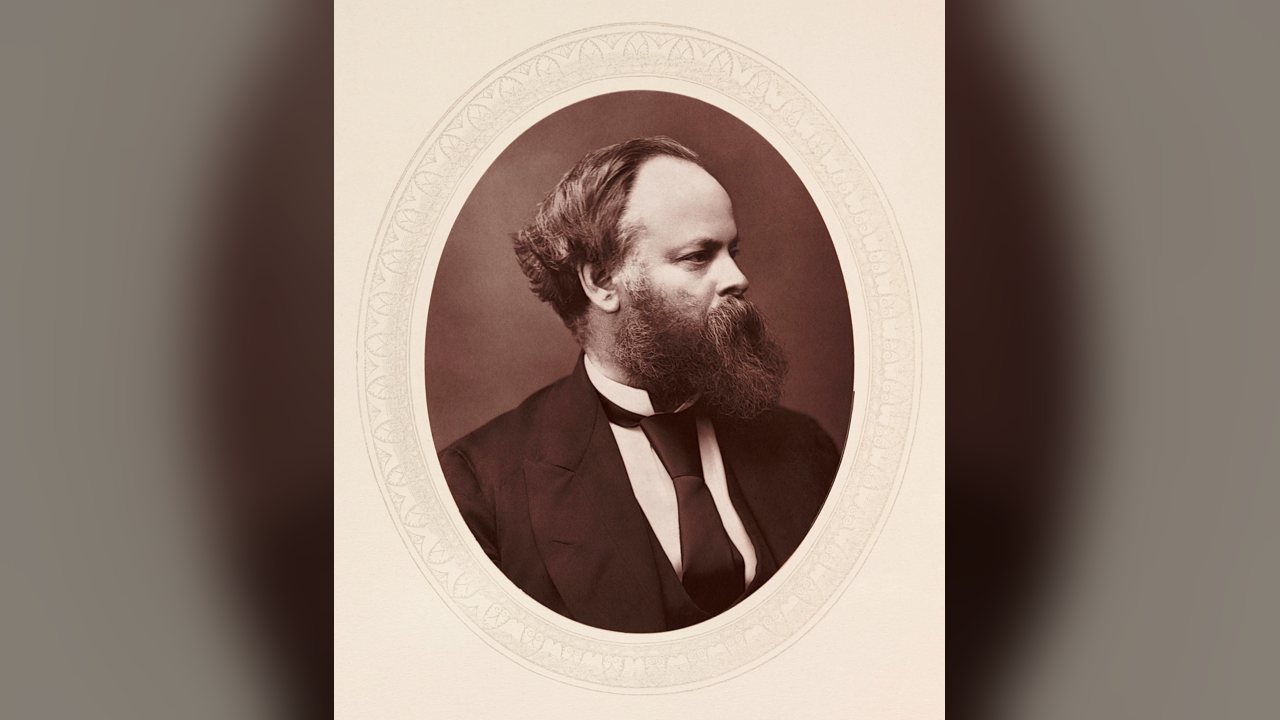
Samuel Plimsoll was born in Bristol in 1824. He fought for a load line on ships’ hulls to stop overloaded “coffin ships” sinking, and it is still called the Plimsoll line.
 How Bristol’s harbour stopped the tide
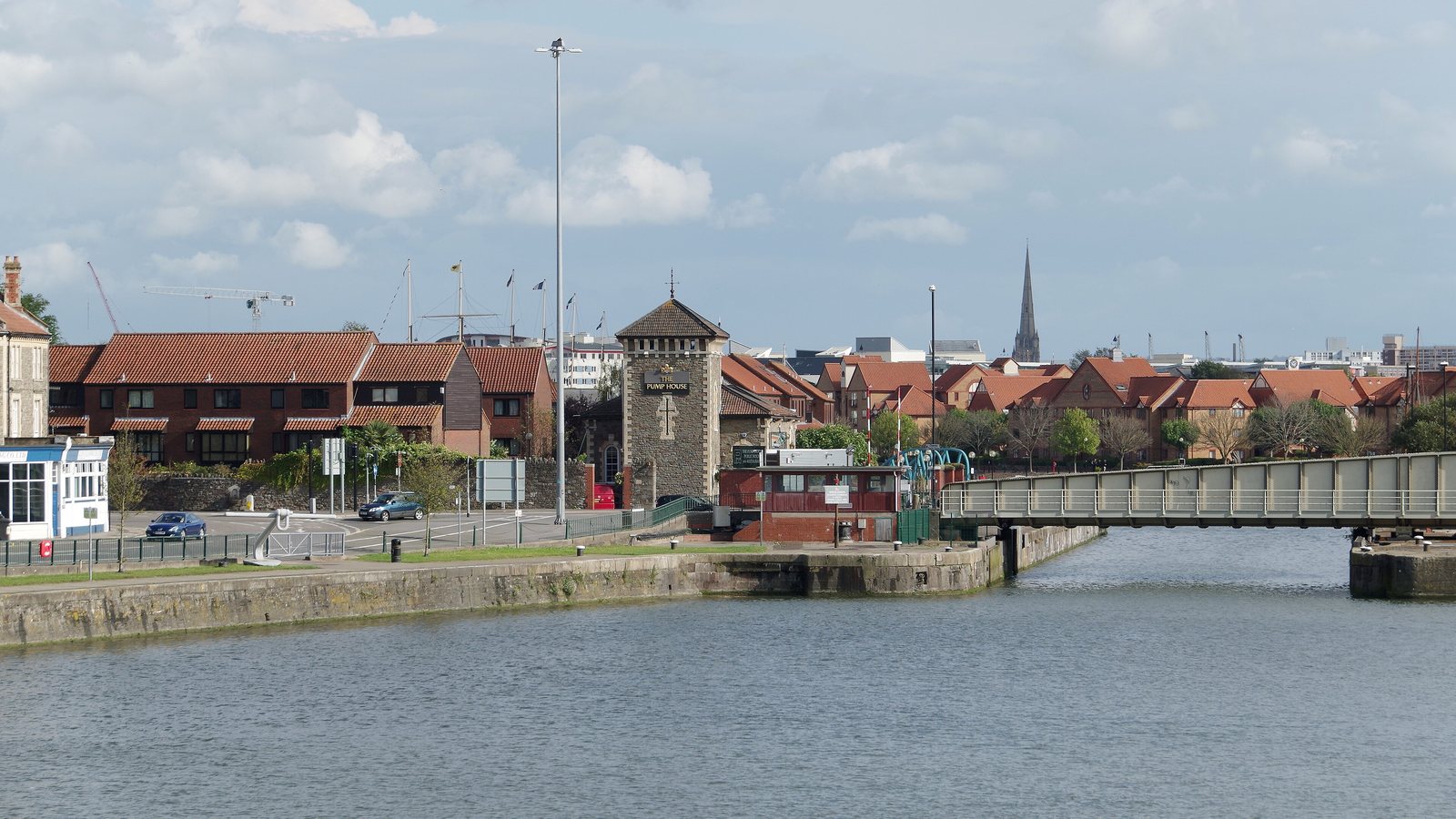
Before 1809, ships in the centre of Bristol sat on the mud twice a day. William Jessop’s Floating Harbour changed that, and it still holds the water today.