
Bristol Stories
He designed it, but never saw it open
Isambard Kingdom Brunel won the competition to design the Clifton Suspension Bridge when he was 24. He died in 1859, five years before it finally opened.
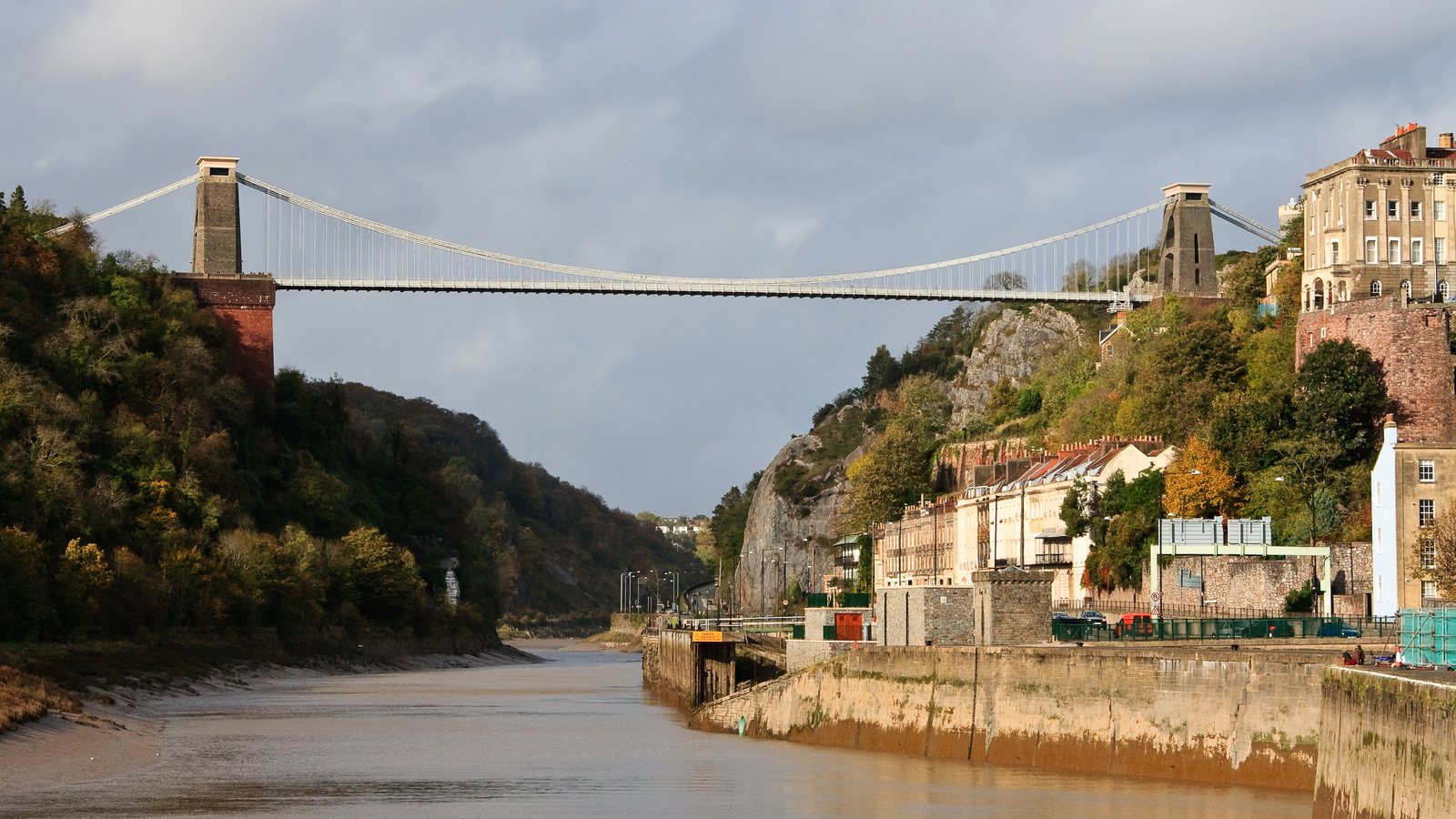
It is Bristol’s best-known landmark, and it carries Isambard Kingdom Brunel’s name around the world. But Brunel never saw the Clifton Suspension Bridge finished. He died in 1859, five years before it opened.
A young engineer wins
The idea of a bridge over the Avon Gorge had been around for years. In 1829 a competition was held to find a design. The famous engineer Thomas Telford was asked to judge it. He rejected all the entries, including Brunel’s, and came up with a design of his own.
A second competition followed in 1831. Telford’s design was turned down as too expensive. After some persuading by Brunel, the committee named him the winner. The Clifton Suspension Bridge Trust says he was just 24 when he was appointed.
Brunel later called the bridge “my first child, my darling”.
Riots and empty pockets
Work began with a ceremony on 20 June 1831. Four months later it stopped, when the Bristol riots broke out. Building started again in 1836, but the money raised was nowhere near enough, and the contractors went bankrupt. The project stalled for years.
Meanwhile, Brunel was busy elsewhere, building the Great Western Railway and great ships.
Finished as a memorial
Brunel died in 1859. His colleagues at the Institution of Civil Engineers felt that finishing the bridge would be a fitting memorial to him, and they started raising money again.
By luck, Brunel’s Hungerford suspension bridge in London was being taken down in 1860, and its chains were bought for Clifton. The final design was by the engineers William Henry Barlow and John Hawkshaw, based on Brunel’s earlier plan.
The bridge finally opened on 8 December 1864. The Trust says the day was a city-wide party. From the first ceremony to the opening, it had taken 33 years.
The bridge today
The main span is 214 metres (702 feet), and the deck is about 75 metres (245 feet) above the river at high water. It is Grade I listed.
It is still a working road bridge, carrying around four million vehicles a year. Cars pay a £1 contactless toll. Walkers, cyclists and horse riders cross for free, and the bridge is open 24 hours a day.
See it for yourself
- Walk across for the view down the gorge. It is free.
- The Clifton Suspension Bridge Museum is on the Leigh Woods side. It is open 10am to 5pm every day, and entry is free.
- Guided tours of the bridge run at 2pm on Saturdays, Sundays and bank holidays.
For one of the best views of the bridge itself, head to Clifton Observatory on the Downs, or see our guide to the best views of Bristol.
Sources
Last checked 16 November 2026. Details change, so check the official link before you go.
More from Bristol Stories
See all →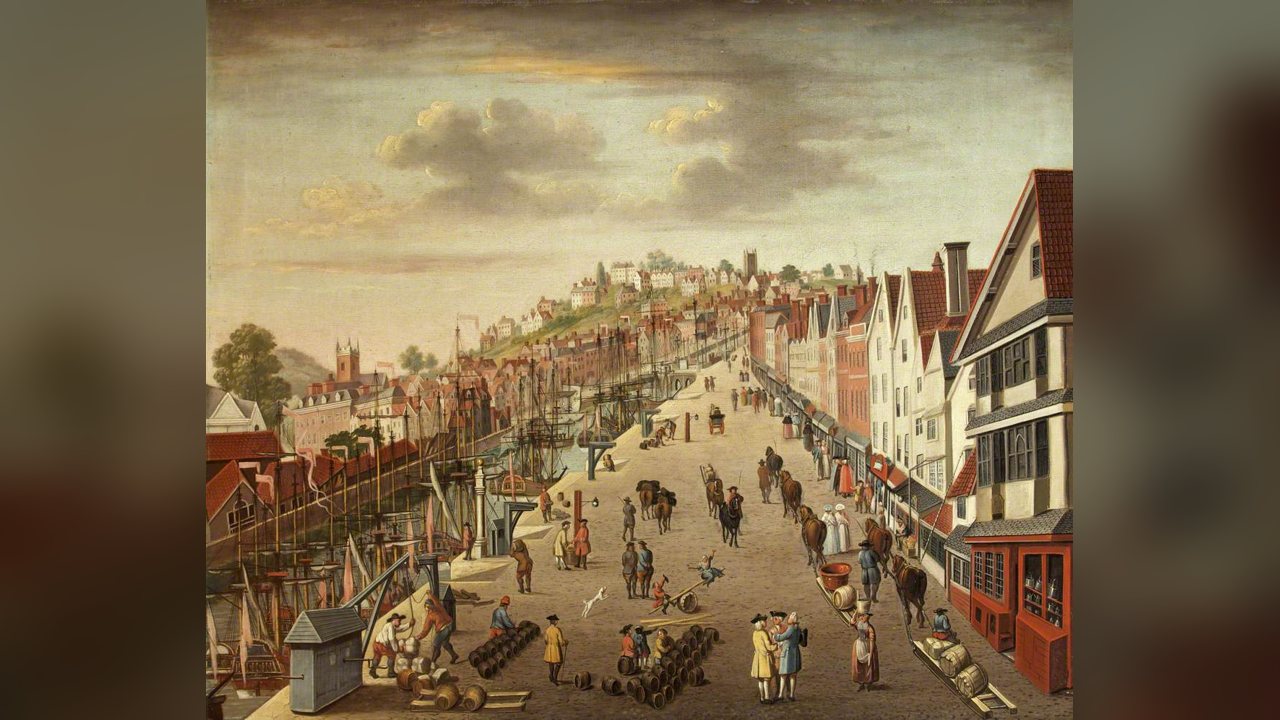 Where “shipshape and Bristol fashion” comes from
When the tide went out, ships in old Bristol sat on the mud. Only well-built, well-packed ships came through, and that is how “shipshape and Bristol fashion” came to mean in perfect order.
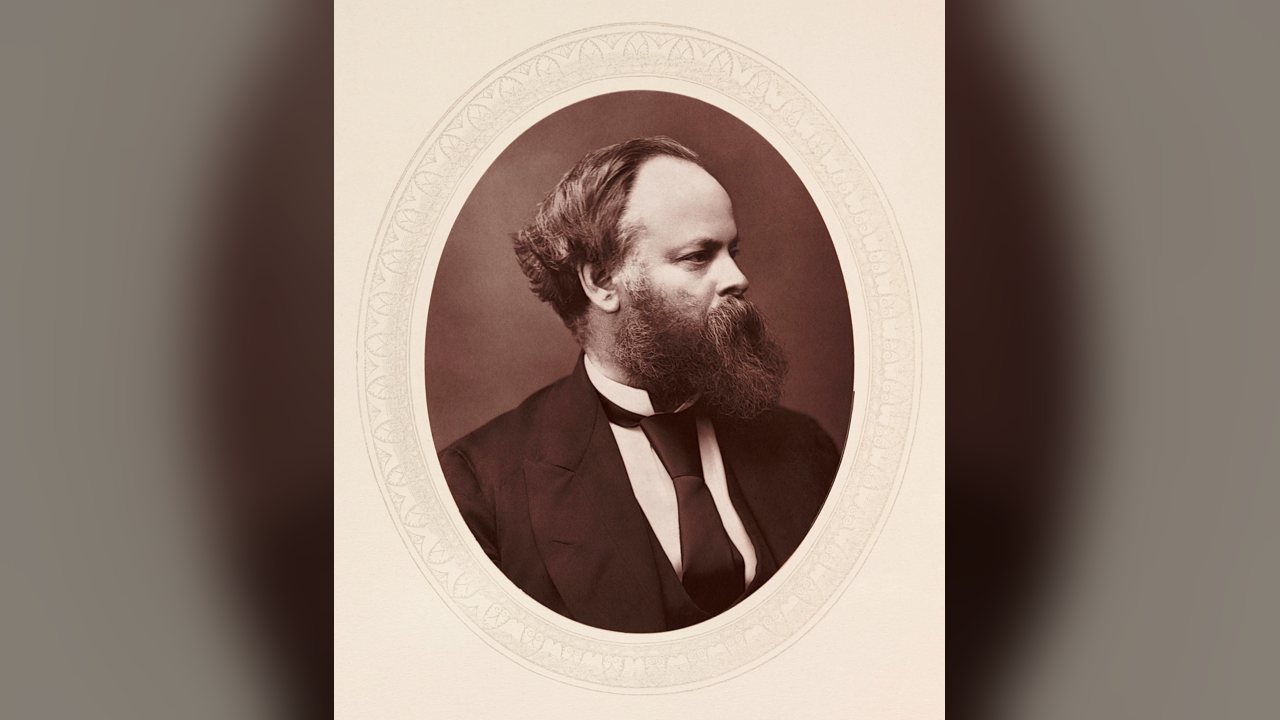 The Bristol man behind the Plimsoll line
Samuel Plimsoll was born in Bristol in 1824. He fought for a load line on ships’ hulls to stop overloaded “coffin ships” sinking, and it is still called the Plimsoll line.
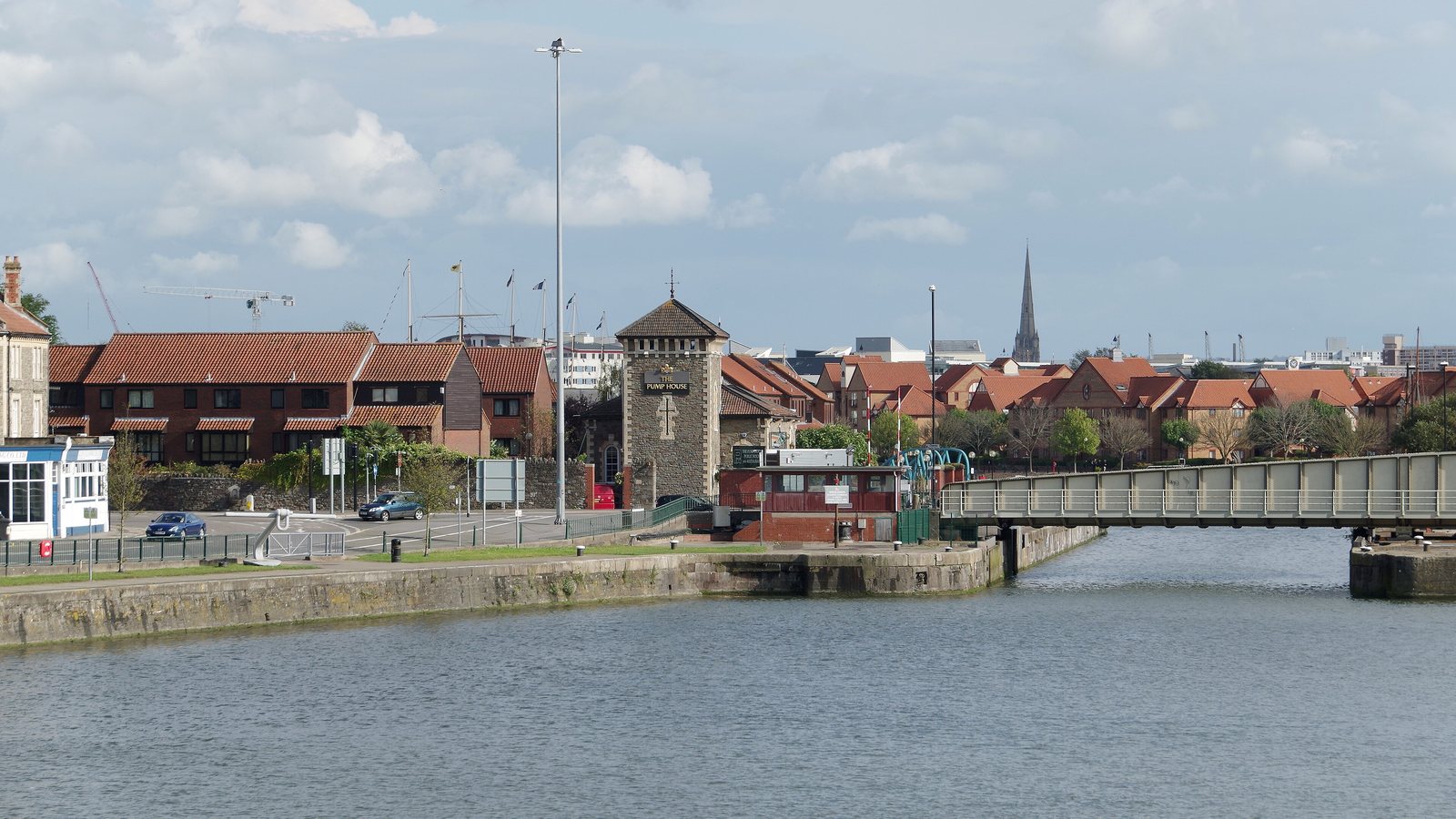 How Bristol’s harbour stopped the tide
Before 1809, ships in the centre of Bristol sat on the mud twice a day. William Jessop’s Floating Harbour changed that, and it still holds the water today.