
Bristol Stories
The Bristol bus boycott that helped change UK law
In 1963 Bristol’s bus company would not employ Black and Asian crews. A four-month boycott, led by young West Indian men, forced it to back down.
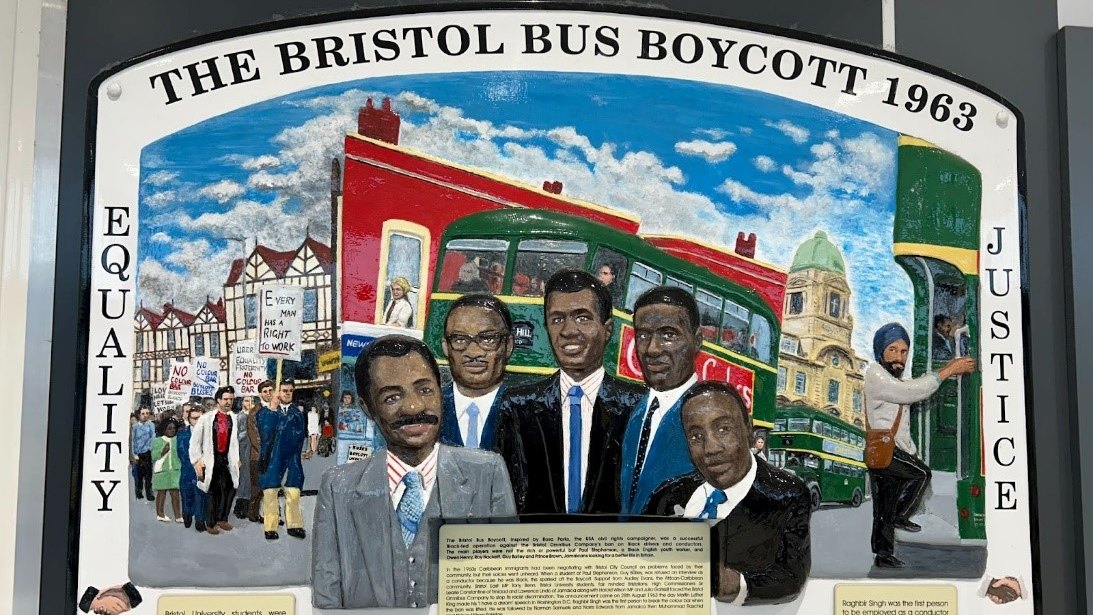
In the early 1960s, you could ride a bus in Bristol whatever your skin colour, but you could not work on one. The Bristol Omnibus Company refused to employ Black and Asian people as drivers or conductors. They could get jobs in the depots’ workshops and canteens, but not on the buses. This unofficial “colour bar” dated back to the 1950s, and in 1963 a group of young men in St Pauls decided to end it.
The test case
The campaign was started by four young Jamaicans: Owen Henry, Roy Hackett, Audley Evans and Prince Brown. They formed the West Indian Development Council, and Paul Stephenson, Bristol’s first Black youth officer, became its spokesman.
To prove the colour bar existed, they set up a test. A young man called Guy Bailey applied to be a bus conductor and was offered an interview. When the company learned he was West Indian, the interview was cancelled.
The boycott
On 30 April 1963 the group called on Bristolians to stop using the buses. It was inspired partly by the 1955 Montgomery bus boycott in the United States, which began when Rosa Parks refused to give up her seat.
The boycott quickly became national news. On 1 May, students from the University of Bristol marched to the bus station in support. Bristol’s Labour MP, Tony Benn, backed the campaign, and so did the Labour leader Harold Wilson. The cricketer and diplomat Learie Constantine, then High Commissioner for Trinidad and Tobago, spoke out too.
Not everyone agreed. The bus company’s general manager argued that hiring Black crews would drive white staff away. The local branch of the Transport and General Workers’ Union, which represented the bus workers, also resisted the change at first.
Victory in August
The campaign lasted four months. On 28 August 1963 the bus company announced there would be no more discrimination in hiring bus crews. It was the same day that Martin Luther King gave his “I have a dream” speech in Washington.
In September, Raghbir Singh, a Sikh, became Bristol’s first non-white bus conductor. A few days later he was joined by two Jamaican and two Pakistani men.
Why it still matters
Two years later, Parliament passed the Race Relations Act 1965, which made racial discrimination unlawful in public places. The 1968 Act extended it to housing and employment. Historians say it is hard to prove the boycott directly caused these laws, but Bristol Museums says the campaign “did help to pave the way” for them.
In 2009, Paul Stephenson, Roy Hackett and Guy Bailey were all made OBEs. Roy Hackett died in 2022 and Paul Stephenson in 2024.
Where to see it in Bristol today
- Bristol Bus Station, Marlborough Street: a plaque commemorates the boycott and the campaign against racial discrimination.
- St Pauls: look out for murals of Roy Hackett and Owen Henry on the neighbourhood’s walls. The Owen Henry mural is by the artist Michele Curtis.
- Bristol Museums online: Madge Dresser, the historian who wrote the first full account of the boycott, tells the story on the museums’ Bristol’s Black History pages.
Sources
Last checked 11 November 2026. Details change, so check the official link before you go.
More from Bristol Stories
See all →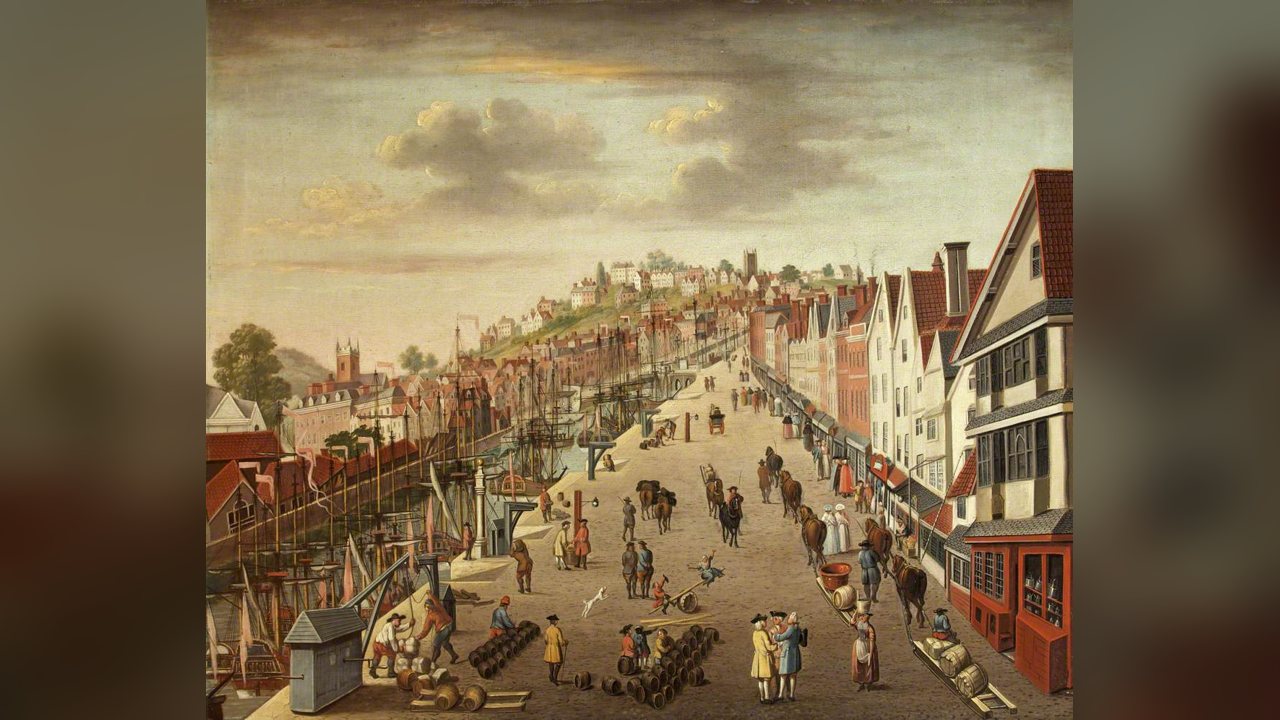 Where “shipshape and Bristol fashion” comes from
When the tide went out, ships in old Bristol sat on the mud. Only well-built, well-packed ships came through, and that is how “shipshape and Bristol fashion” came to mean in perfect order.
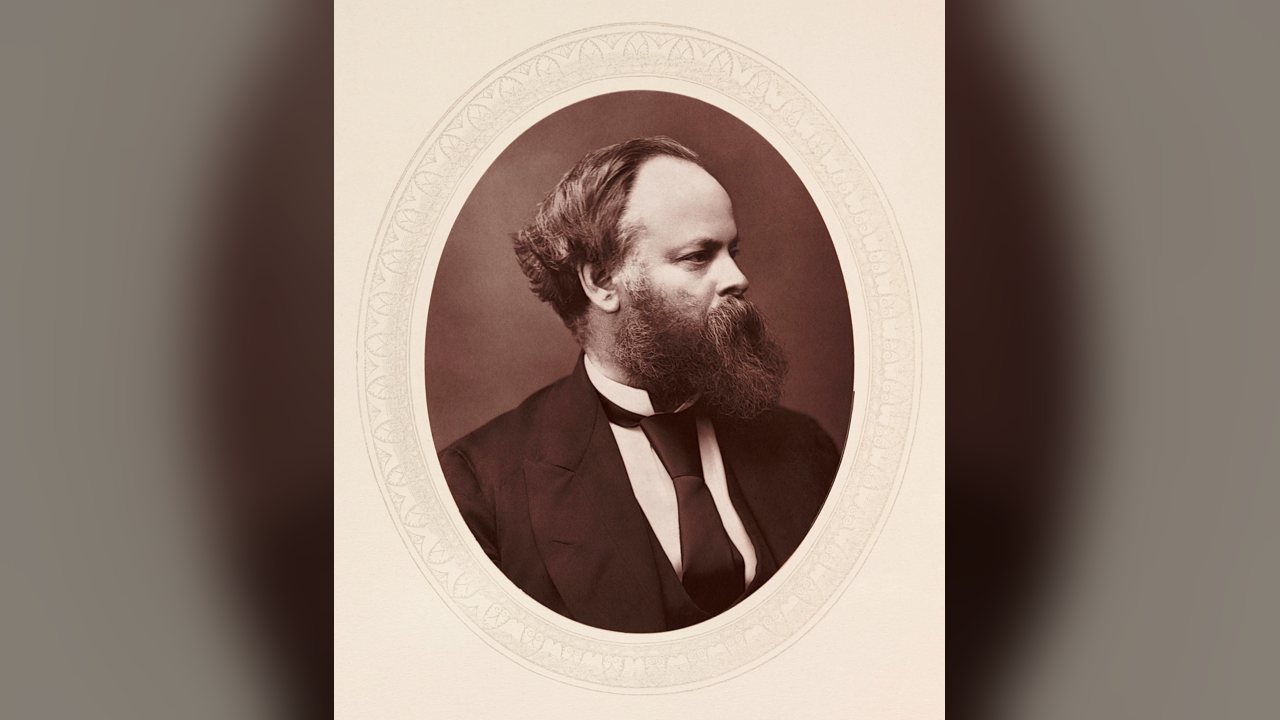 The Bristol man behind the Plimsoll line
Samuel Plimsoll was born in Bristol in 1824. He fought for a load line on ships’ hulls to stop overloaded “coffin ships” sinking, and it is still called the Plimsoll line.
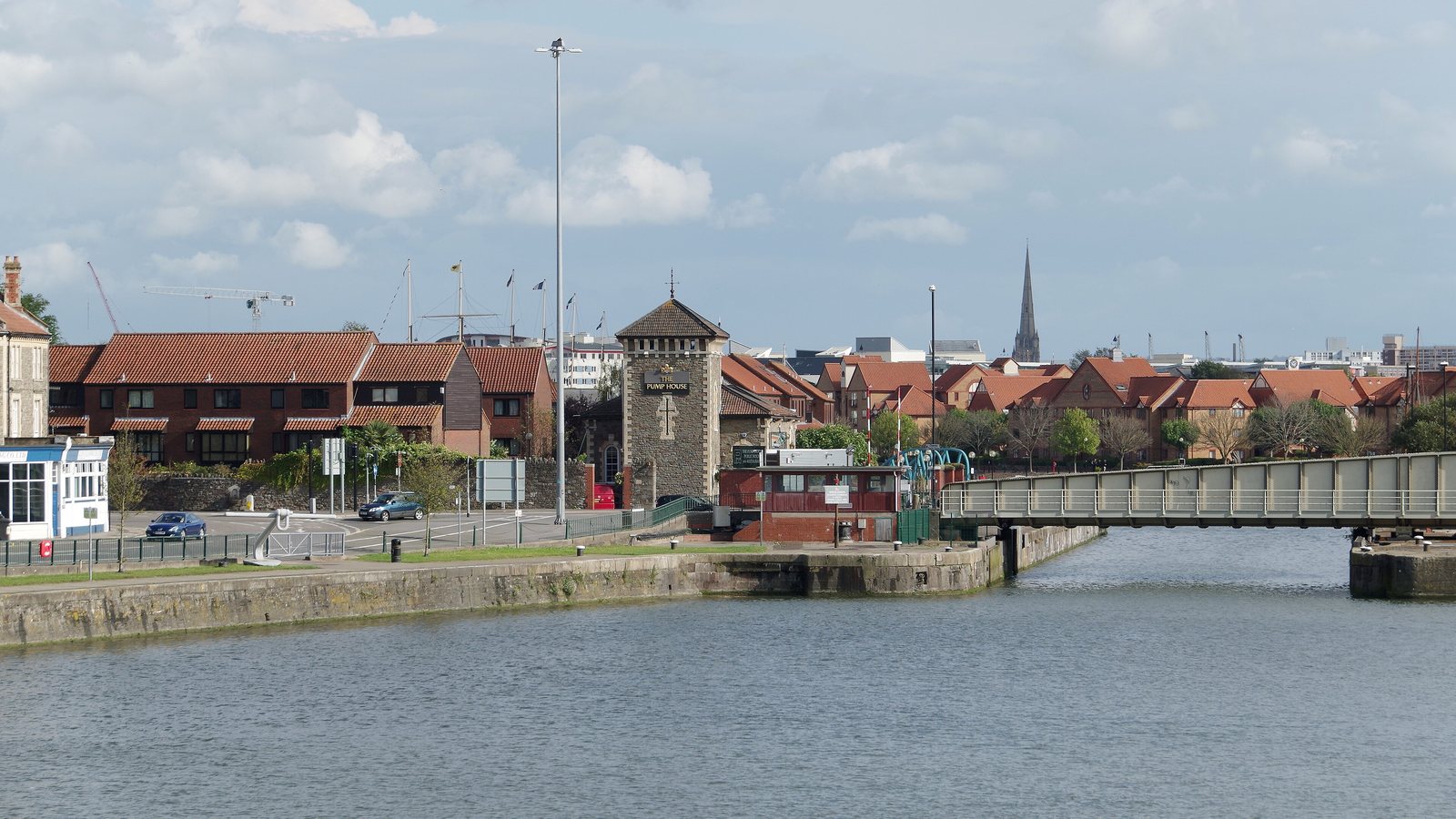 How Bristol’s harbour stopped the tide
Before 1809, ships in the centre of Bristol sat on the mud twice a day. William Jessop’s Floating Harbour changed that, and it still holds the water today.