
Places to Go
A Bristol tower built by a tobacco fortune
The Wills Memorial Building at the top of Park Street was paid for by two brothers from the Wills tobacco family, in memory of their father. King George V opened it in 1925.
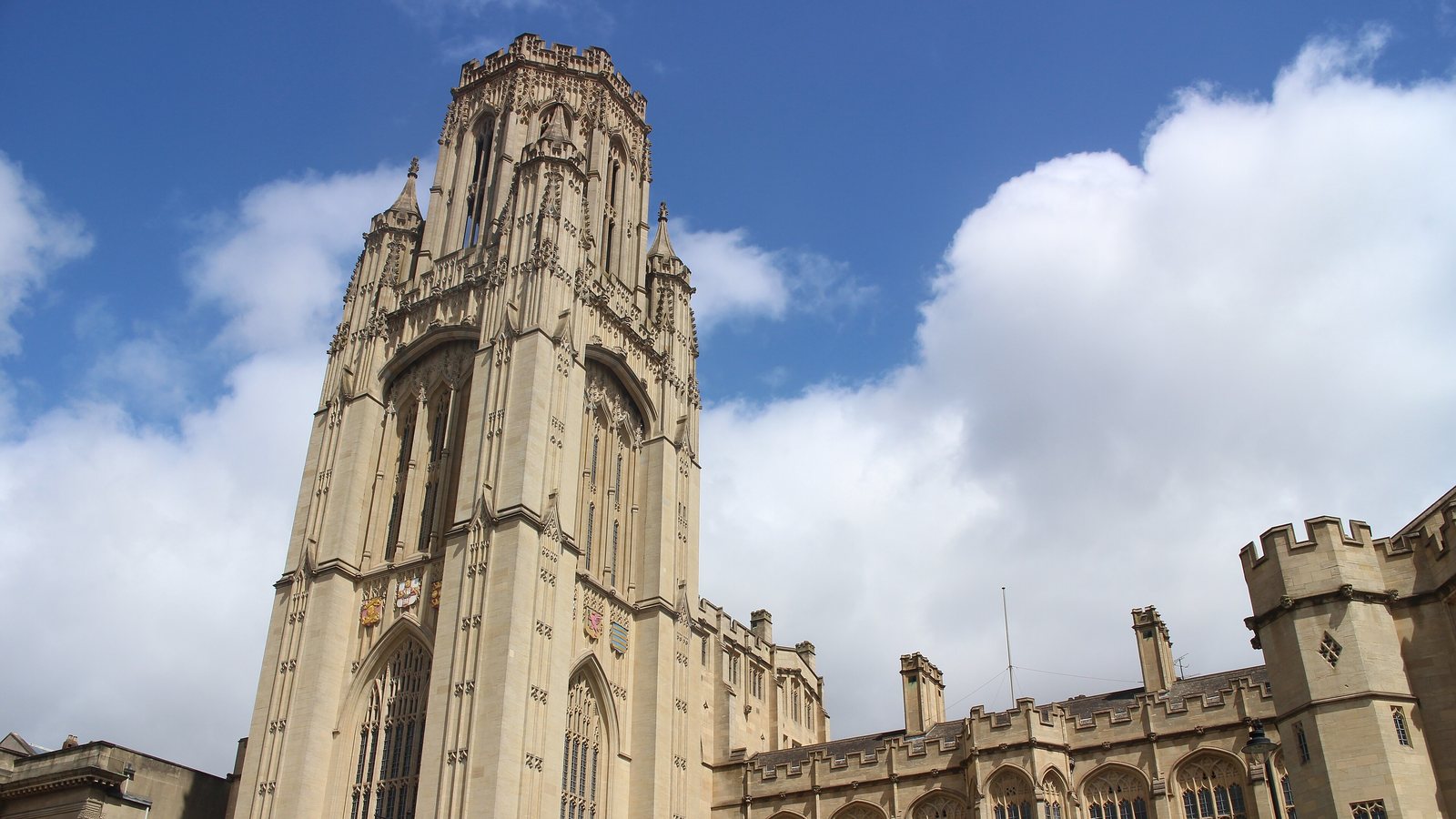
Look up Park Street from the Centre and one building fills the skyline. The Wills Memorial Building, with its great stone tower, is one of the most recognisable sights in Bristol. It was paid for with a fortune made from tobacco.
A gift from the Wills family
The Wills family ran W.D. & H.O. Wills, the Bristol tobacco company. Henry Overton Wills III was a major benefactor of the University of Bristol and became its first Chancellor.
After his death, two of his sons, George Alfred Wills and Henry Herbert Wills, paid for a new building in his memory. They commissioned it in 1912, and it became the university’s best-known landmark.
Ten years in the making
The architect was Sir George Oatley. He designed it in the Perpendicular Gothic style, to evoke the old university buildings of Oxford and Cambridge.
Work started in 1915, but it stopped in 1916 because of the First World War. Building began again in 1919. The University of Bristol says it was one of the last buildings in the country to be put up using wooden scaffolding.
On 9 June 1925, King George V and Queen Mary came to Bristol to open it. The final bill came to more than £500,000.
The tower and Great George
The tower is 215 feet (65.5 metres) high. Inside hangs Great George, a bell weighing about 9.5 tonnes. It is one of the largest bells in England. It rang out a royal salute of 21 chimes when the building opened, and it is tolled on the death of a monarch or a chancellor.
The architectural historian Nikolaus Pevsner called the building a “tour de force in Gothic Revival”. The University of Bristol describes it as the last great Gothic secular building to be built in Britain.
Bombed and rebuilt
In 1940, during the Second World War, the Great Hall was badly damaged in an air raid. It was later restored to Oatley’s design, and the work was finished in 1963.
What happens inside
The building is still very much in use. It is home to the university’s Law School and School of Earth Sciences, with their libraries. Graduation ceremonies are held in the Great Hall, and hundreds of thousands of students have graduated there.
It is a working university building, so you cannot simply wander in. The university has run guided tours over the years, raising money for charity. Check the University of Bristol website for any upcoming tours.
How to see it
The best way to enjoy it is from outside. Walk up Park Street from the Centre and the tower grows bigger with every step. At the top, stand on Queens Road and look up.
It is free to see at any time, and it is right next door to Bristol Museum & Art Gallery.
Good to know
- Best view: walking up Park Street from the Centre.
- Free to see from outside, day or night.
- Inside is for university use, apart from special tours and events.
Map
Sources
Last checked 12 November 2026. Details change, so check the official link before you go.
More from Places to Go
See all →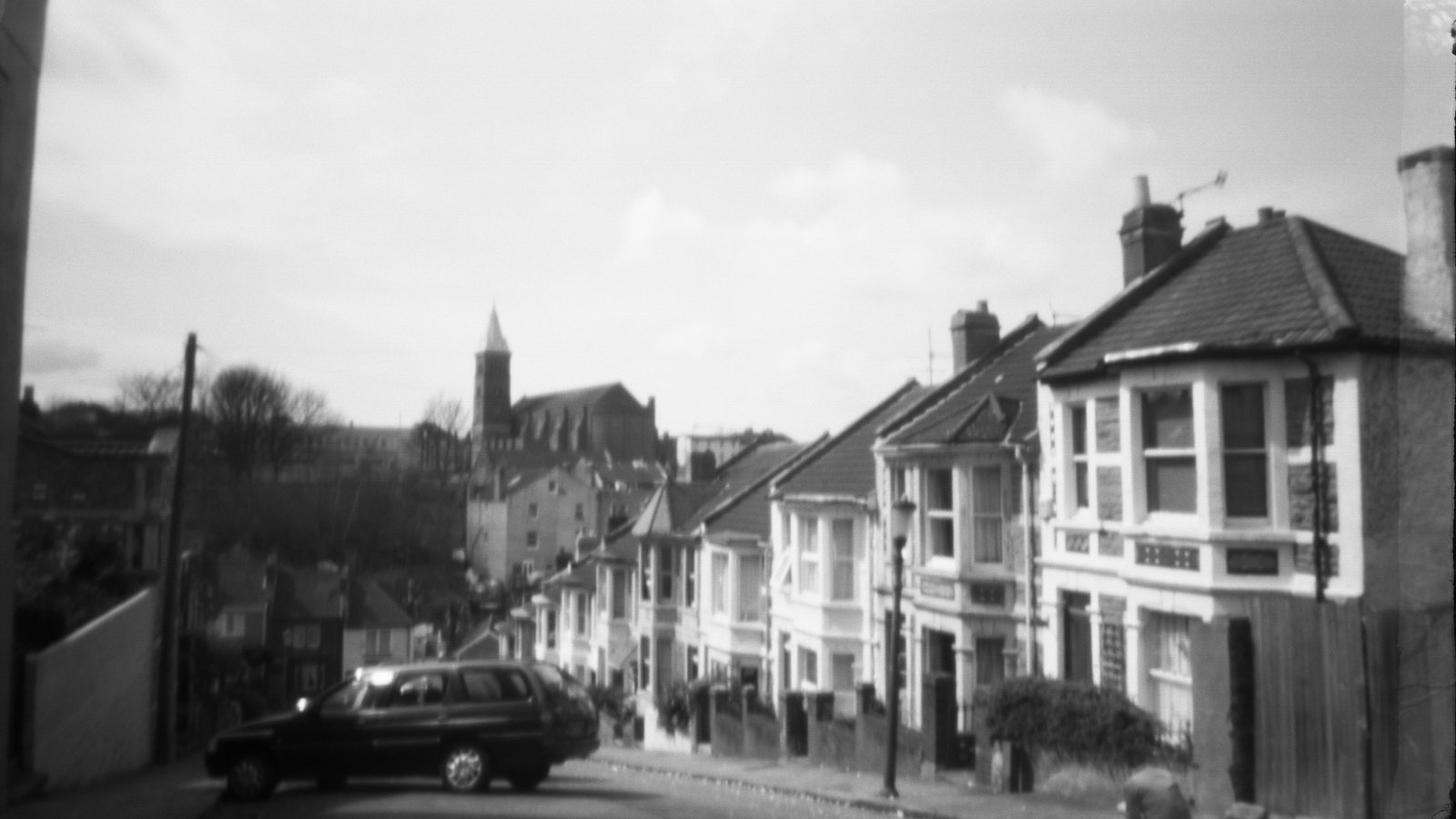 Is this England’s steepest street?
Vale Street in Totterdown is said to be the steepest residential street in England, with a slope of about 22 degrees. Every Easter Sunday, neighbours roll eggs down it.
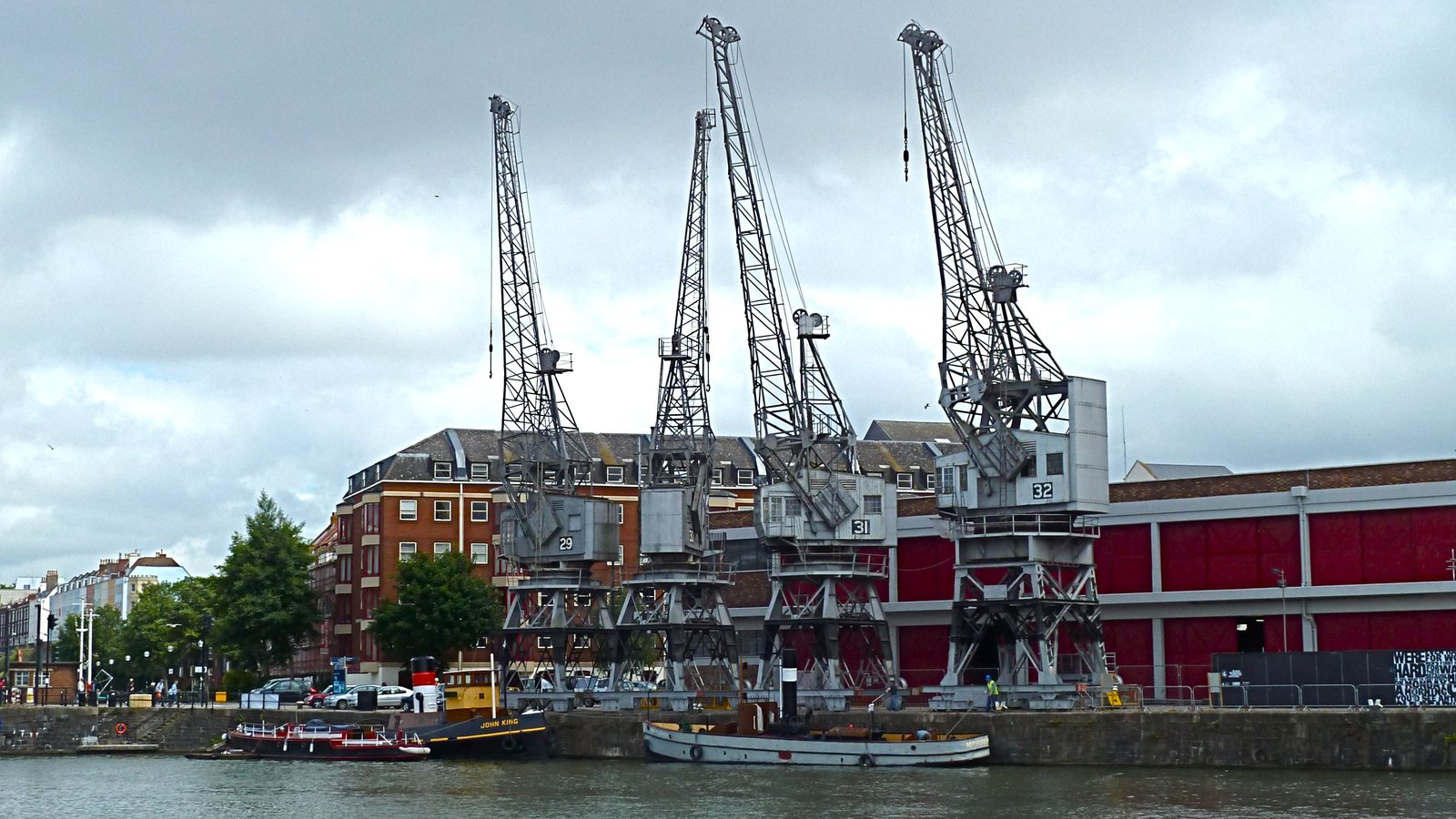 The cranes on Princes Wharf
Four electric cargo cranes from 1951 stand outside M Shed on Princes Wharf. They are the last of more than 40 that once worked the city docks, and volunteers still run them on most weekends.
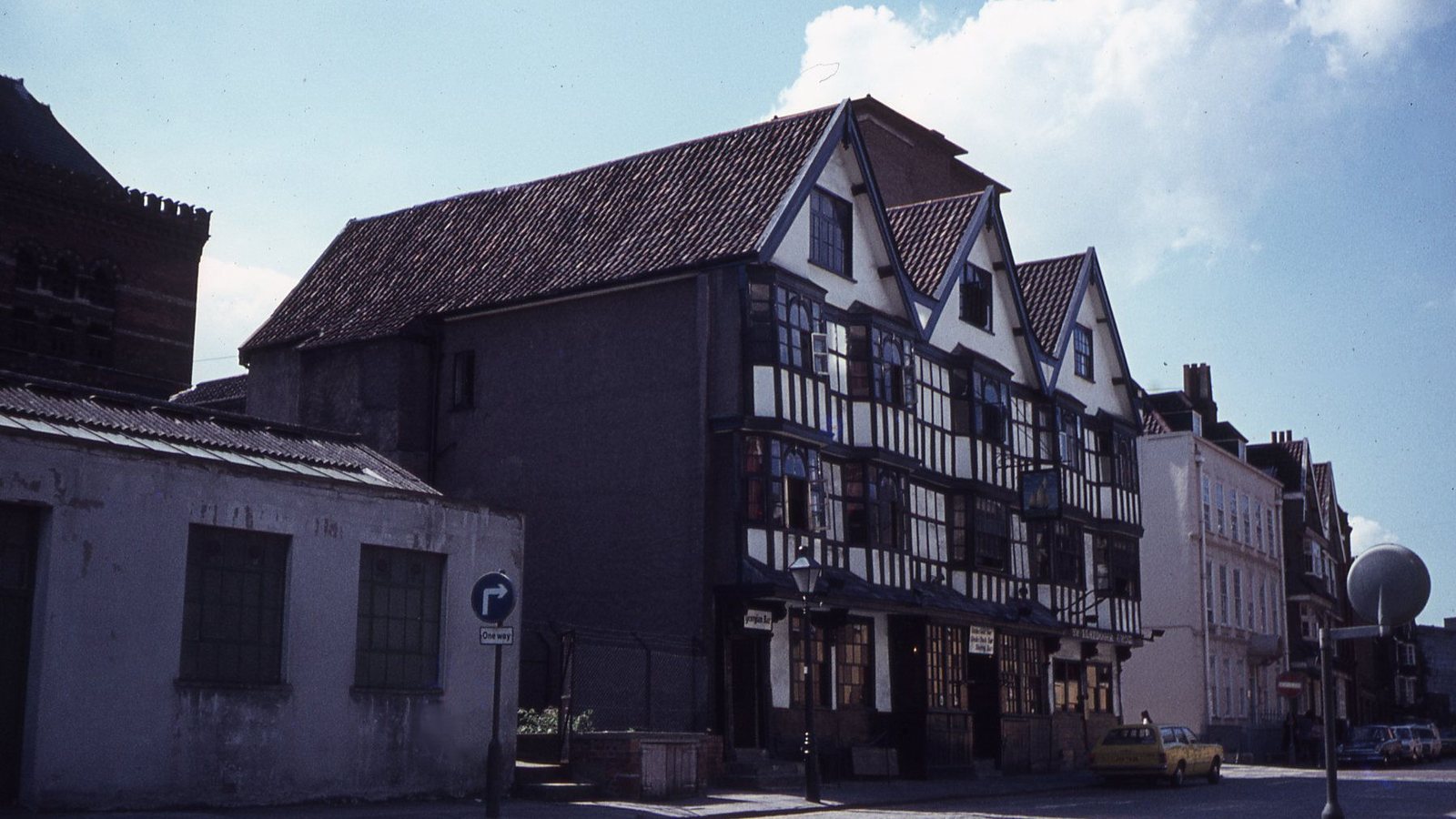 Bristol’s oldest pub?
The Hatchet Inn on Frogmore Street dates its building to 1606. The Llandoger Trow on King Street was built in 1664 and is linked with Treasure Island and Robinson Crusoe. Which gets your vote?