
Places to Go
The ship that came home after 127 years
Brunel’s SS Great Britain was the first large ocean-going ship to combine an iron hull with a screw propeller. Left in the Falklands for decades, she came home to Bristol in 1970.
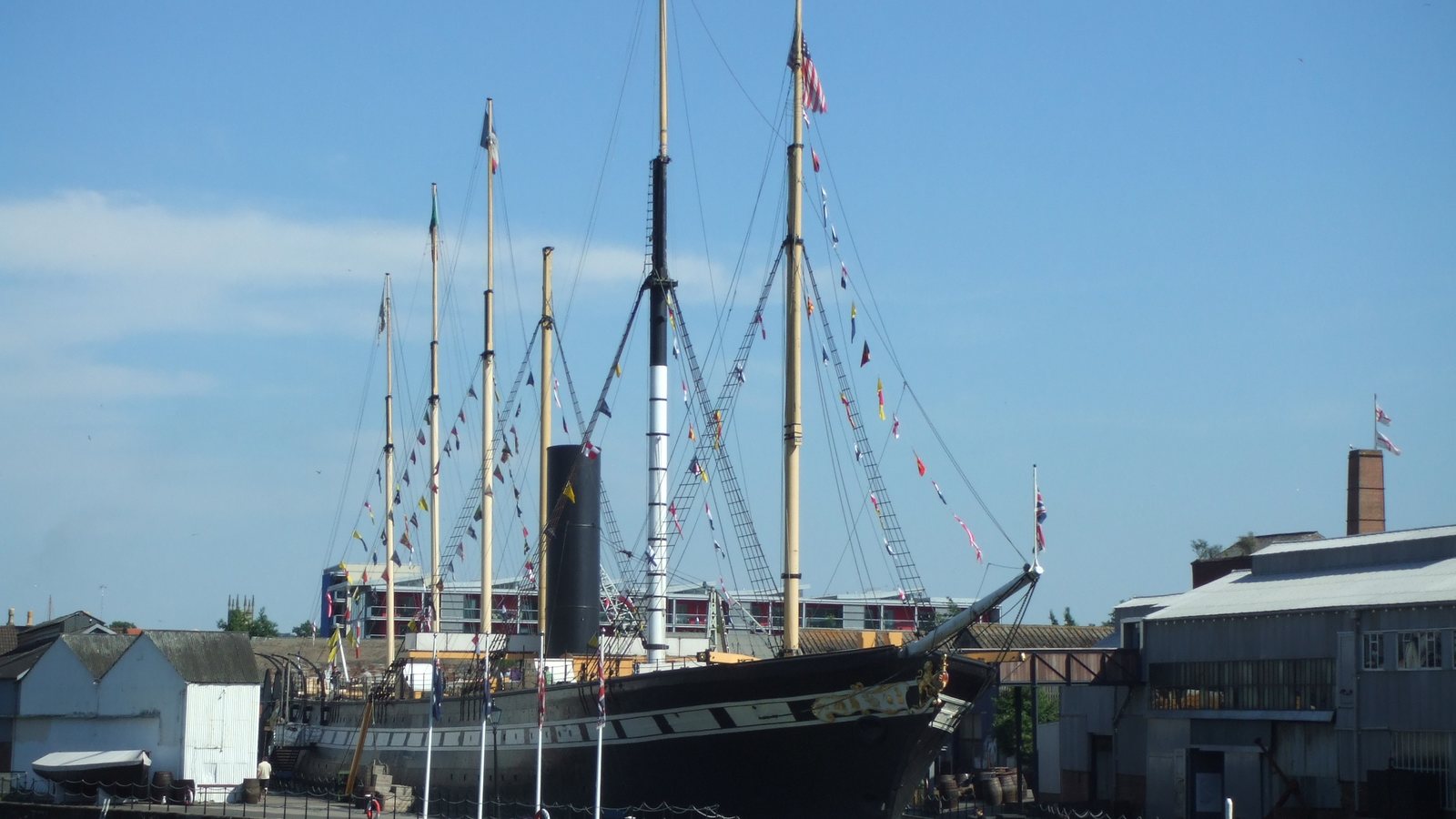
On the south side of Bristol’s harbour sits one of the most important ships ever built. The SS Great Britain was designed by Isambard Kingdom Brunel, sailed the world, was abandoned on the other side of it, and then came home.
A ship ahead of her time
She was floated out of her dry dock in Bristol on 19 July 1843, with Prince Albert there to see it. Other ships had been built of iron, and others had a screw propeller. But the SS Great Britain was the first large ocean-going ship to combine both.
From 1845 to 1853 she was the largest passenger ship in the world.
Across the Atlantic
In 1845 she sailed from Liverpool to New York. She was the first iron steamer to cross the Atlantic, and did it in 14 days.
From 1852 she carried thousands of emigrants to Australia. Bristol Dockyards says she made 32 round trips and carried more than 33,000 people. In the 1880s she was turned into a sailing ship to carry coal.
Left in the Falklands
In 1886, after a fire on board, she limped into Port Stanley in the Falkland Islands, damaged beyond economic repair. She was used there as a storage hulk until 1937, when she was towed to Sparrow Cove, scuttled and left to rot.
The journey home
In 1970 a rescue was organised. The naval architect Ewan Corlett had surveyed the wreck and reported that she could be refloated. She was lifted onto a submersible pontoon, Mulus III, and towed across the Atlantic.
On Sunday 5 July 1970, amid huge media interest, she was towed up the river and under the Clifton Suspension Bridge, which Brunel had also designed. A couple of weeks later she was back in the very dry dock where she had been built, 127 years earlier.
Visiting today
The ship sits on a glass “sea” at her waterline. Underneath, dehumidifiers keep the air dry to stop her iron hull rusting. You can walk her decks, and go beneath the waterline to see the hull.
The site is run by the SS Great Britain Trust, which now calls it Bristol Dockyards. Your ticket also covers the Being Brunel museum and the historic dockyards.
- Open: Tuesday to Sunday, 10am to 4pm until 13 February. Open daily in school holidays.
- Tickets online: adults £22, youth and student £18.50, children £14.50.
- On the door: adults £25, youth and student £21, children £16.50.
Full-price tickets let you come back free for a year. Family bundle discounts are available.
Getting there
The ship is at the Great Western Dockyard, on Gas Ferry Road, on the south side of the Floating Harbour. It is a pleasant walk along the harbourside from the city centre, or you can arrive by harbour ferry.
Map
Sources
Last checked 16 November 2026. Details change, so check the official link before you go.
More from Places to Go
See all →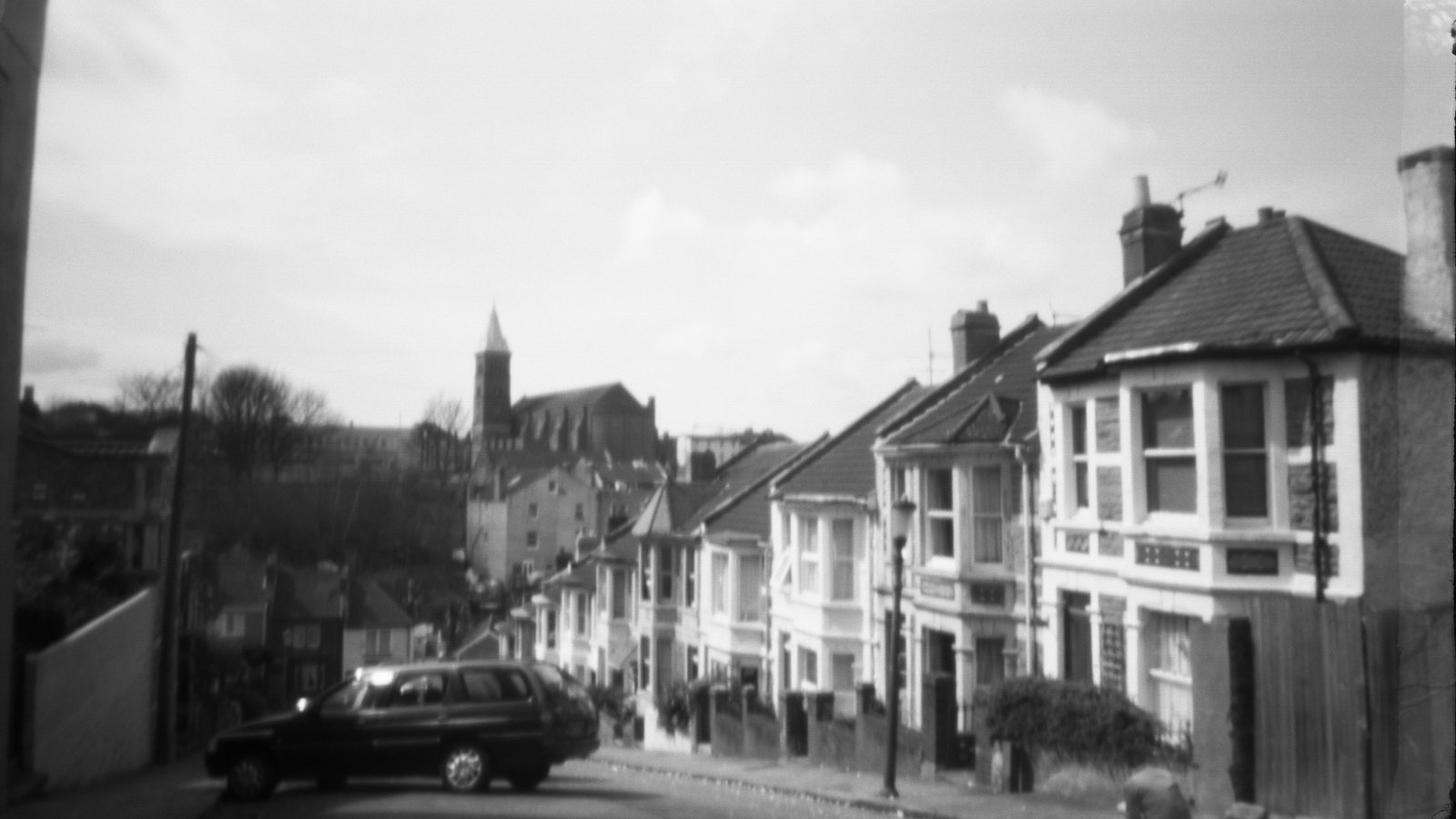 Is this England’s steepest street?
Vale Street in Totterdown is said to be the steepest residential street in England, with a slope of about 22 degrees. Every Easter Sunday, neighbours roll eggs down it.
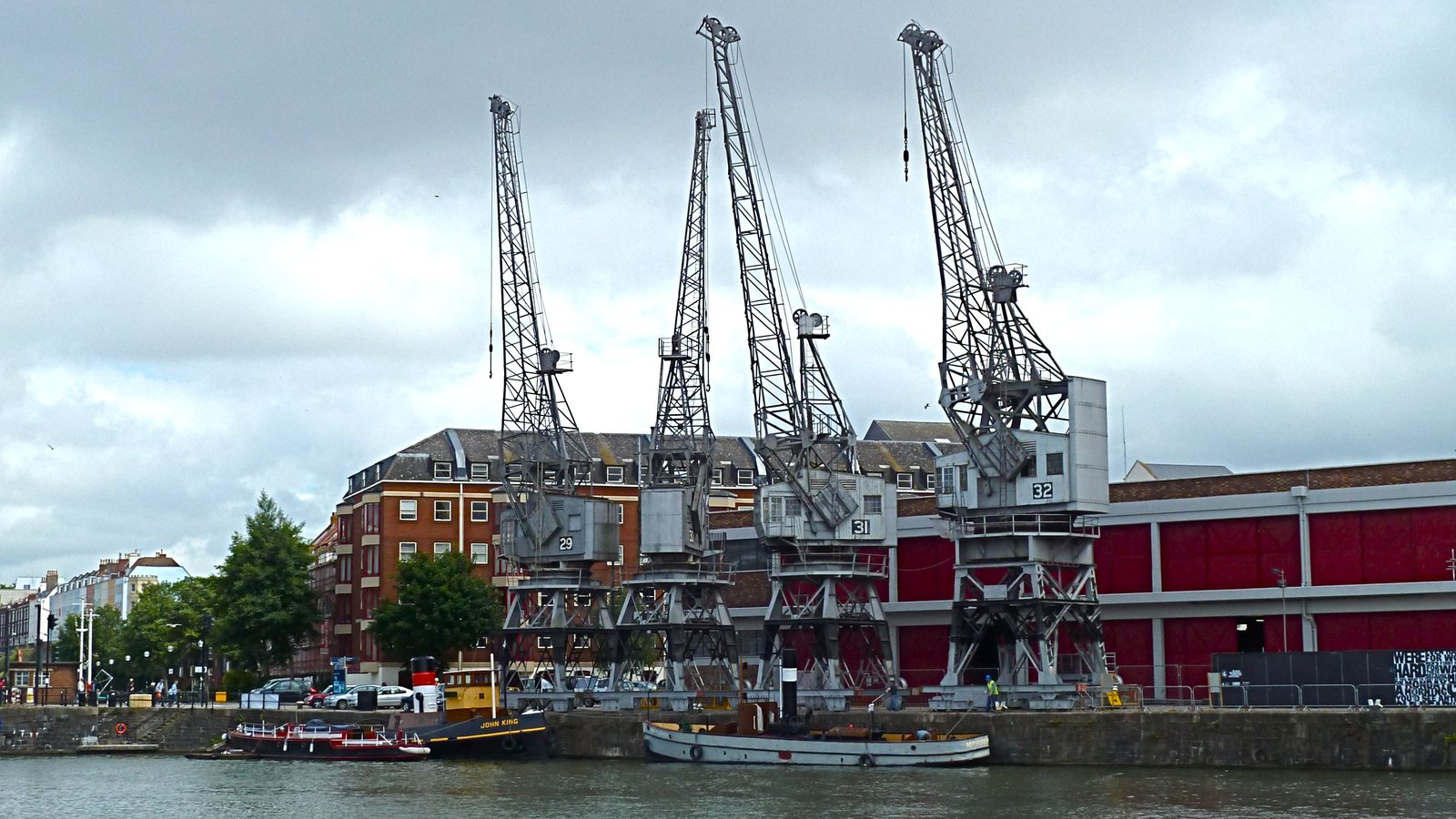 The cranes on Princes Wharf
Four electric cargo cranes from 1951 stand outside M Shed on Princes Wharf. They are the last of more than 40 that once worked the city docks, and volunteers still run them on most weekends.
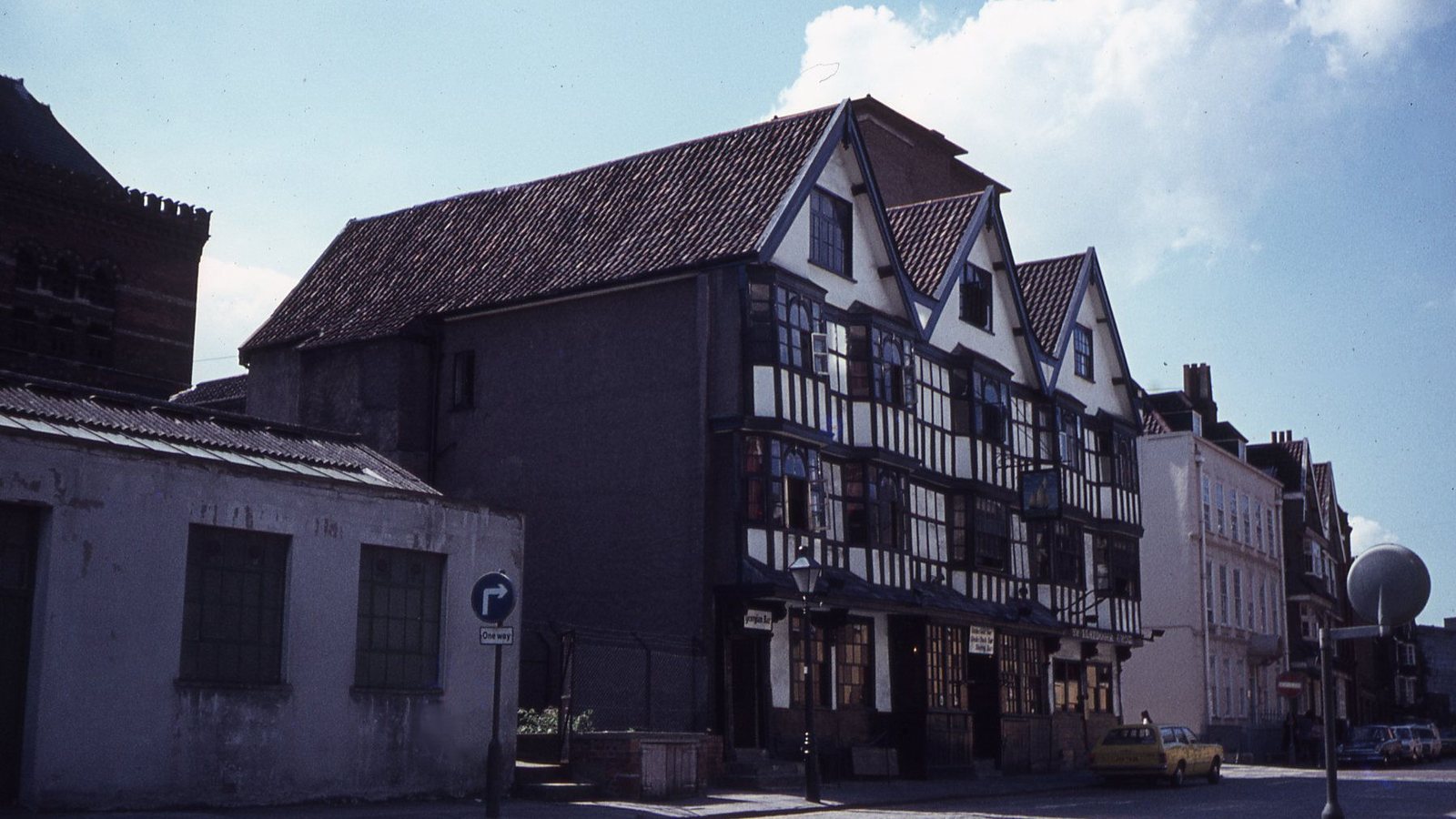 Bristol’s oldest pub?
The Hatchet Inn on Frogmore Street dates its building to 1606. The Llandoger Trow on King Street was built in 1664 and is linked with Treasure Island and Robinson Crusoe. Which gets your vote?