
Places to Go
The Avon Gorge trees that grow nowhere else on Earth
Several kinds of whitebeam grow wild in the Avon Gorge and nowhere else in the world. Here is what they are and where to look.
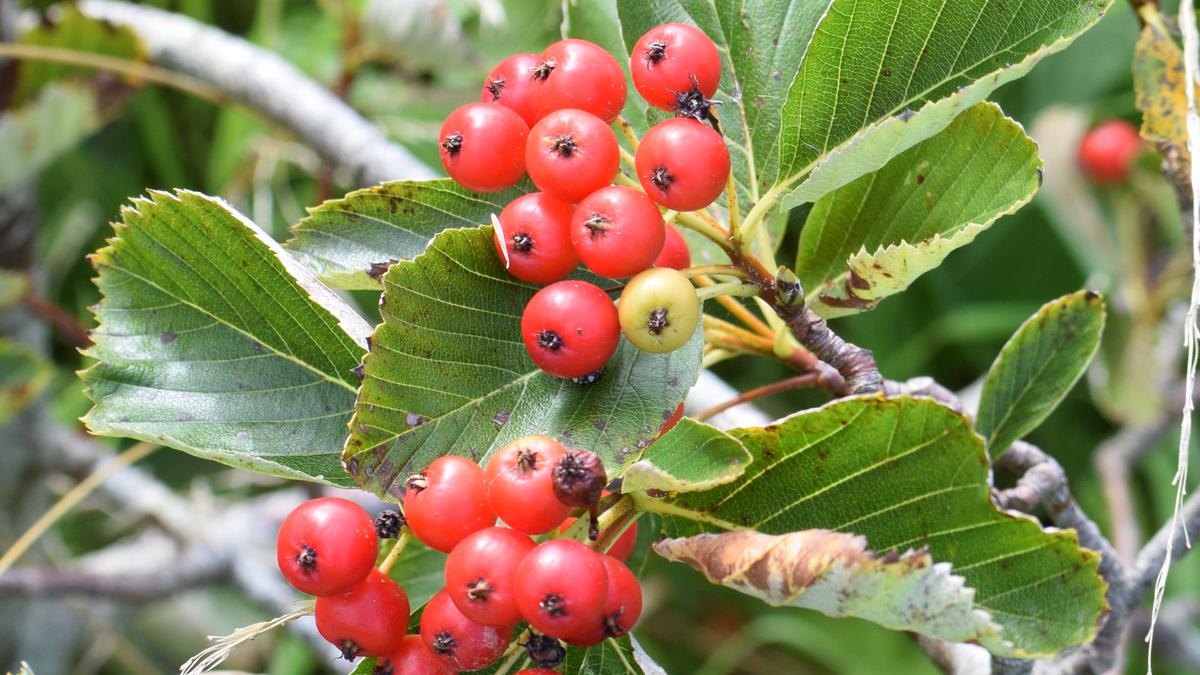
Most people come to the Avon Gorge for the Clifton Suspension Bridge. But on the limestone cliffs and wooded slopes either side of the river grow trees you will not find anywhere else in the world. They are whitebeams, small trees with leaves that flash silvery-white underneath when the wind catches them.
Bristol’s own trees
The Avon Gorge & Downs Wildlife Project, which looks after the gorge’s wildlife, counts seven kinds of whitebeam that are endemic to the Avon Gorge. That means they grow wild here and nowhere else. The three best known are:
- Bristol whitebeam (Sorbus bristoliensis). It was first recorded in Leigh Woods in 1852 by the botanist Martha Atwood. Around 300 trees were counted in 2016, and the population is thought to be growing. It has creamy-white flowers in May and early June and orange-red berries in September and October.
- Wilmott’s whitebeam (Sorbus wilmottiana). First found on Clifton Down in 1933, it grows on rock and quarry faces and in rocky clearings. Fewer than 100 trees are known, and the wildlife project rates it as endangered.
- Avon whitebeam (Sorbus avonensis). It was only discovered in 1995, by the Bristol botanist Libby Houston, and the wildlife project rates it as critically endangered.
How did they get here?
Each of these three began as a cross between two related trees. The Bristol whitebeam, for example, is a hybrid of the wild service-tree and the round-leaved whitebeam. Over time these crosses became distinct kinds of tree in their own right.
Their biggest threat is shade. Young whitebeams need open, sunny ground to grow. If faster, larger trees close the canopy over them, the seedlings struggle.
More rare plants
The whitebeams have rare company. The Avon Gorge is the only place in the UK where Bristol rock-cress and Bristol onion grow wild. The wildlife project says more than 30 nationally rare and scarce plants grow here, which makes the gorge one of the top three sites for rare plants in England.
Where to look
Whitebeams grow on both sides of the gorge, on the Bristol side below Clifton and the Downs and in Leigh Woods on the North Somerset side. The wildlife project recommends Observatory Hill and the Sea Walls for the best views over the gorge. Next time you cross the Suspension Bridge, look down at the rock faces and the trees clinging to them.
The best time to spot them is May and early June, when they are covered in white blossom, or late summer and autumn, when the berries turn red and orange. Never climb or leave the paths to get a closer look. The cliffs are dangerous, and these trees are rare enough already.
Protected ground
The gorge and the surrounding woods are a Site of Special Scientific Interest, and the gorge is also a Special Area of Conservation. Part of Leigh Woods is a National Nature Reserve. Leigh Woods is looked after by the National Trust and Forestry England.
Map
Sources
- Avon Gorge & Downs Wildlife Project: Rare plant fact files
- Avon Gorge & Downs Wildlife Project: Bristol whitebeam
- Avon Gorge & Downs Wildlife Project: Wilmott’s whitebeam
- Avon Gorge & Downs Wildlife Project: Avon whitebeam
- Avon Gorge & Downs Wildlife Project: Wildlife of the Bristol side of the gorge
- Avon Gorge & Downs Wildlife Project: Visiting the Downs and the Bristol side of the gorge
- Avon Gorge & Downs Wildlife Project: Wildlife of the North Somerset side and Leigh Woods
- Wikipedia: Aria bristoliensis (Bristol whitebeam)
- Wikipedia: Avon Gorge
Last checked 11 November 2026. Details change, so check the official link before you go.
More from Places to Go
See all →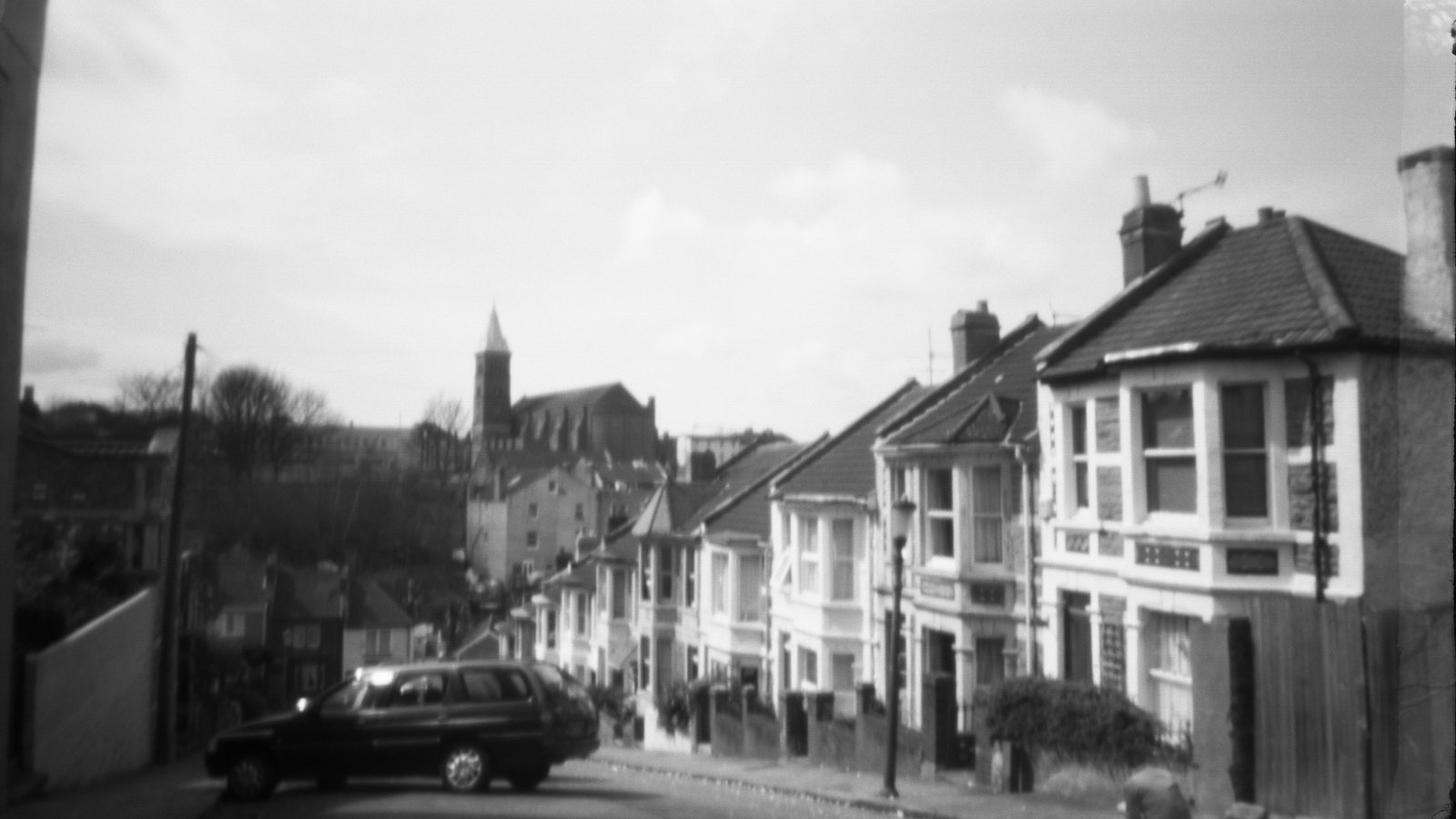 Is this England’s steepest street?
Vale Street in Totterdown is said to be the steepest residential street in England, with a slope of about 22 degrees. Every Easter Sunday, neighbours roll eggs down it.
 The cranes on Princes Wharf
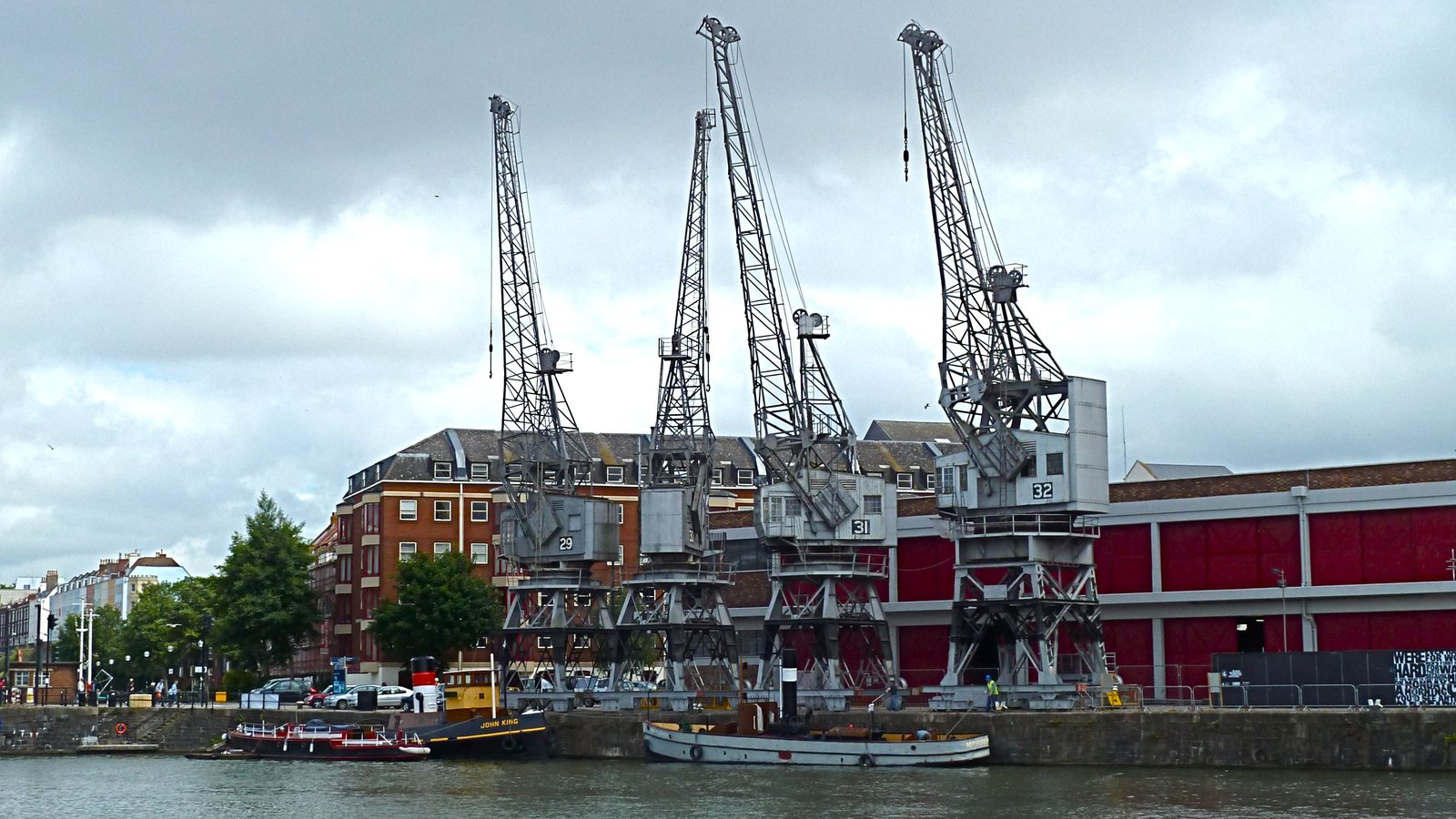
Four electric cargo cranes from 1951 stand outside M Shed on Princes Wharf. They are the last of more than 40 that once worked the city docks, and volunteers still run them on most weekends.
 Bristol’s oldest pub?
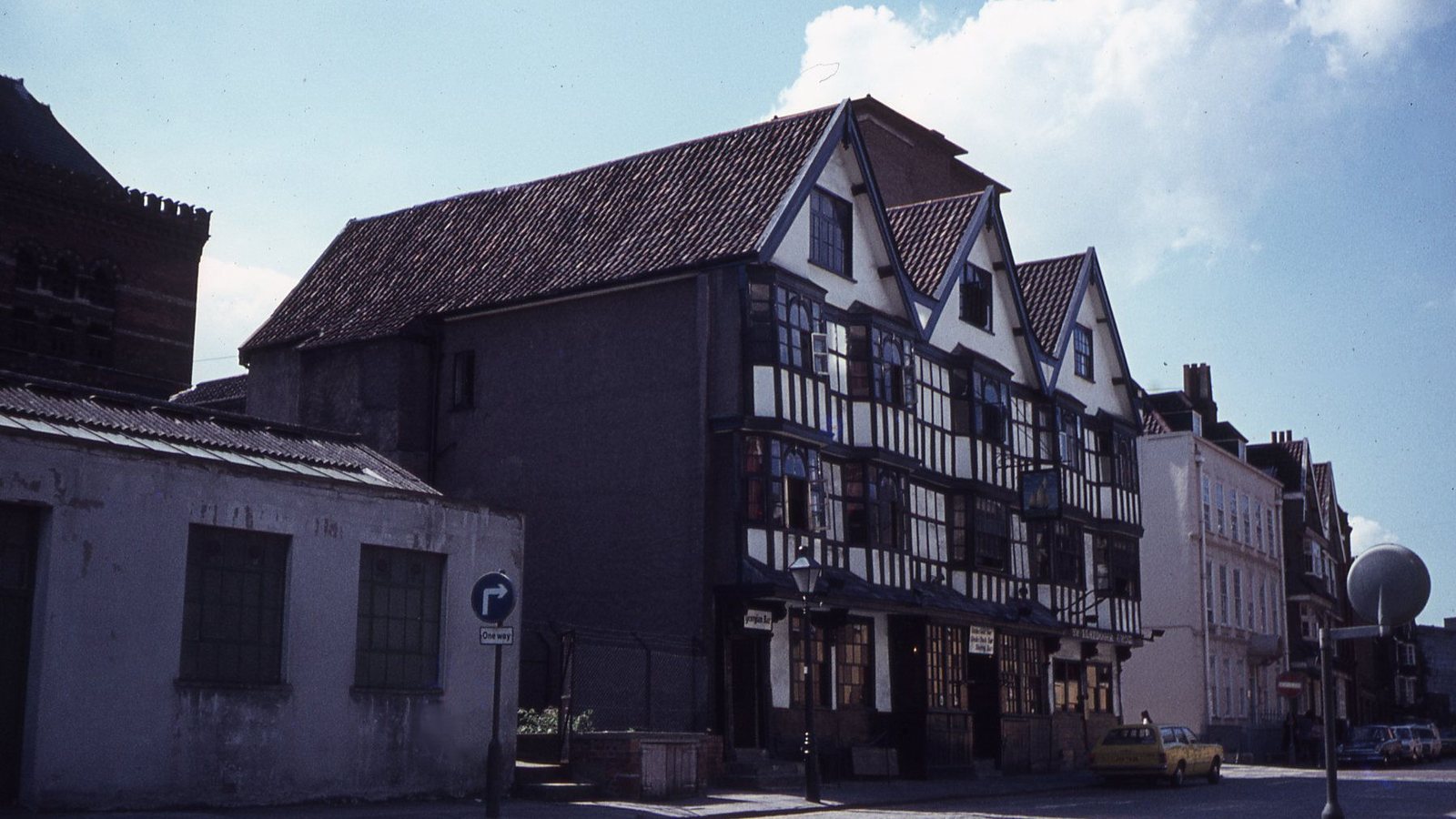
The Hatchet Inn on Frogmore Street dates its building to 1606. The Llandoger Trow on King Street was built in 1664 and is linked with Treasure Island and Robinson Crusoe. Which gets your vote?