
Bristol Life
Bristol was the UK’s first Cycling City
In 2008 Bristol was named the UK’s first official Cycling City. Its best-loved car-free route, the Bristol and Bath Railway Path, runs 15 miles along an old railway line.
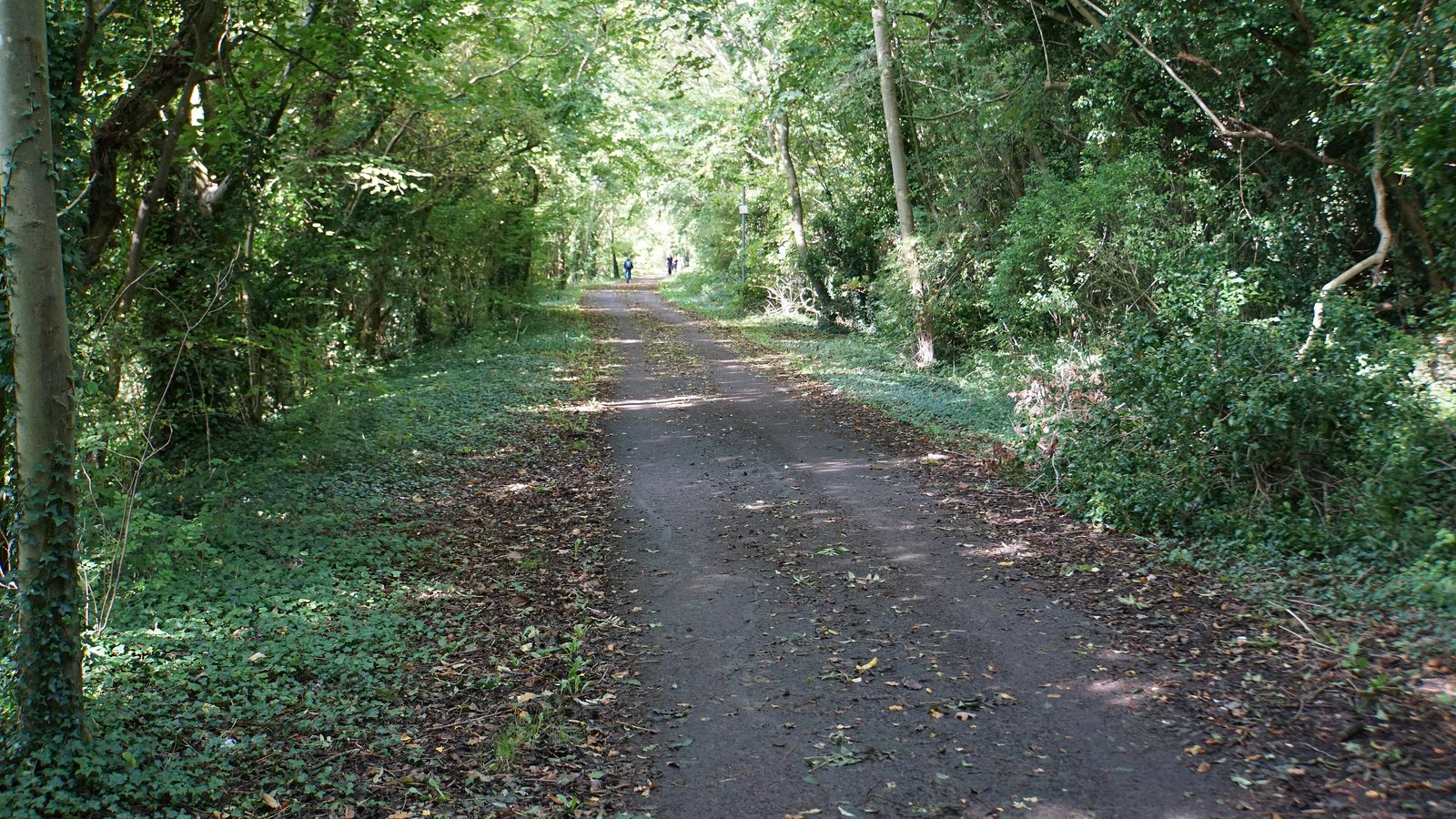
Bristol has a long love affair with the bike. In June 2008, the government named it the UK’s first official Cycling City, and its most famous car-free route is still one of the best ways to see the city.
The Cycling City
The title came as part of a £100 million national package for cycling, announced by the then Transport Secretary, Ruth Kelly. Bristol was named Cycling City alongside 11 smaller Cycling Demonstration Towns.
Cycling England and the Department for Transport gave Greater Bristol £11.4 million. Bristol City Council and South Gloucestershire Council matched it, making about £22.8 million in all. The aim was to get many more people cycling.
The funding did not last for ever. Cycling England was scrapped in 2010, and the Cycling City programme ended with it. But the idea stuck, and cycling is still a big part of Bristol life.
The Bristol and Bath Railway Path
The city’s favourite car-free route is the Bristol and Bath Railway Path. It runs for 15 miles between the two cities, and it is part of National Cycle Route 4.
It follows the line of the old Midland Railway branch between Mangotsfield and Bath, which closed in the 1960s. The cycling charity Sustrans turned it into a path between 1979 and 1986, using volunteers.
The path has a 3-metre-wide tarmac surface, and it is used by walkers, runners, commuters and families as well as cyclists. In 2007 alone it was used for about 2.4 million trips.
What you will see
Because it is an old railway, the gradients are gentle, which makes it a relaxed ride. Along the way you pass old stations, such as Staple Hill and Warmley, go through the Staple Hill tunnel, and cross the River Avon near Kelston before reaching Bath.
Ride it yourself
The Bristol end starts near Lawrence Hill and St Philips, east of the city centre. You do not have to go all the way to Bath. A ride out to Warmley and back makes a good morning.
Share the path, ring your bell, and say thank you. It is the Bristol way.
Sources
Last checked 25 November 2026. Details change, so check the official link before you go.
More from Bristol Life
See all →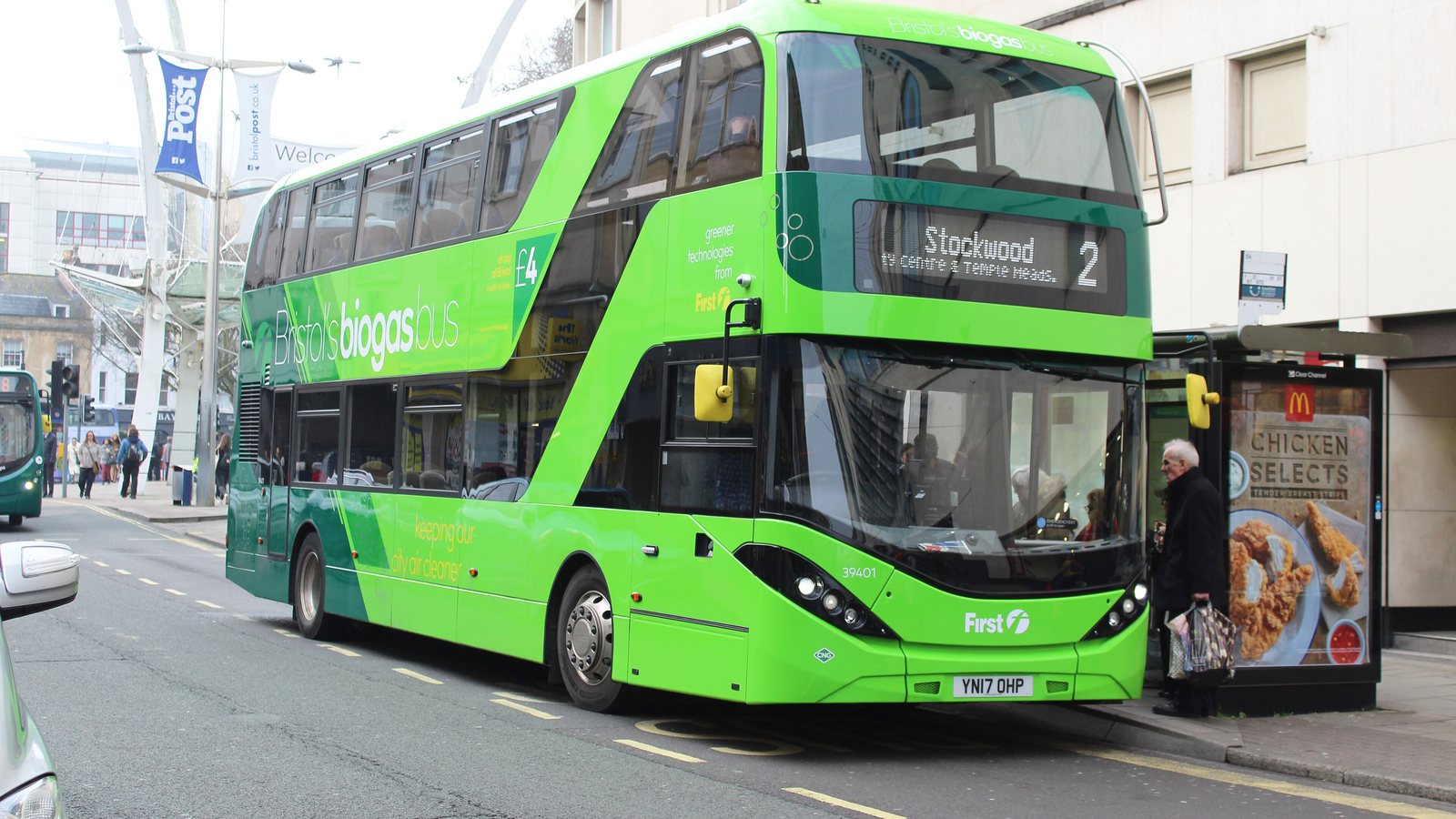 “Cheers, drive”
In Bristol you thank the bus driver on the way out, usually with a quick “Cheers, drive”. It is so local that a Bristol street is now named after it.
 Gert lush: a guide to Bristolian
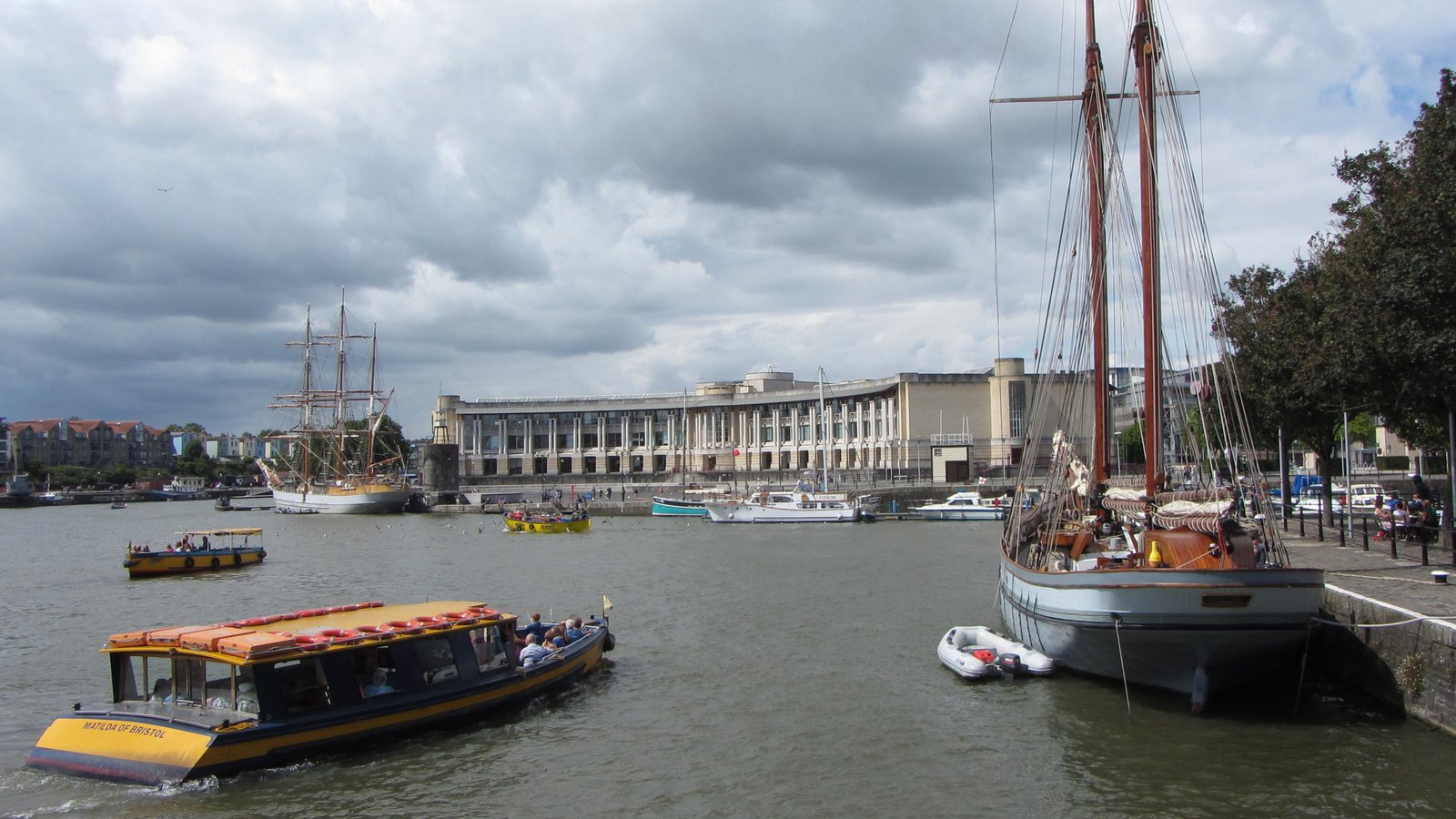
Why Bristolians say “ideal” when they mean “idea”, what gert lush really means, and how to ask “where’s that to?” A short guide to the way Bristol talks.